
Troubleshooting Tips to Drop the Temperature of Your Freezer
Troubleshooting Tips to Drop the Temperature of Your Freezer
When your freezer isn’t staying cold enough, it can lead to food spoilage, frost buildup, and rising energy bills. Freezers should consistently maintain a temperature of 0°F to preserve food safely. If your appliance is struggling to stay within that ideal freezer temperature range, it’s important to act fast. Even a few degrees too warm can put your food at risk. At Ace’s Appliance Repair in Keller, TX, we help homeowners troubleshoot and fix common freezer problems before they become costly repairs. With over 20 years of experience, we know how to quickly identify issues that affect freezer temperature and restore efficiency.
Common Signs of Freezer Problems
If your freezer temperature is higher than it should be, you’ll usually notice one or more obvious symptoms. These signs can signal anything from poor airflow to mechanical failure. Identifying them early helps prevent further damage and keeps your appliance running longer. Look for the following issues:
- Food partially thawing or softening unexpectedly
- Frost buildup on walls, shelves, or the freezer door
- Unusual noises such as buzzing, clicking, or grinding sounds
- Condensation or puddles near the freezer
- A compressor that runs constantly without cycling off
Improve Airflow
Blocked airflow is a common cause of rising temperatures in both upright and chest freezers. Cold air must be able to circulate freely around the interior to keep contents at a safe and even temperature. If vents are blocked, some areas of the freezer may become too warm while others freeze over. Proper airflow also helps prevent the motor from overworking, which can extend the life of the appliance. To improve airflow inside your freezer:
- Avoid overfilling the freezer, which can restrict air circulation.
- Keep vents at the back of the freezer clear of stored food.
- Arrange items loosely to prevent tight packing.
- Do not block the evaporator fan with large containers.
Clean the Coils
The condenser coils release heat from the freezer’s internal system, and when they’re coated in dust or debris, heat can’t dissipate properly. This puts strain on the compressor and may cause the freezer to run hotter than intended. Cleaning the coils is one of the simplest ways to help your unit drop to the correct temperature. We recommend doing this at least twice a year to maintain consistent performance. You can clean your freezer’s coils by following these steps:
- Unplug the appliance before starting.
- Locate the coils, typically behind or beneath the unit.
- Use a coil brush or vacuum with a narrow nozzle to remove dust.
- Clean the surrounding area to reduce future buildup.
Defrost if Needed
Excessive frost buildup inside the freezer can insulate key components and prevent cold air from moving effectively. Even if your model has an automatic defrost system, ice can sometimes build up in areas it doesn’t reach. Manually defrosting your freezer can give it a fresh start and restore ideal function. To safely defrost:
- Move contents to a cooler or another freezer.
- Turn off the appliance and leave the door open.
- Place towels to catch melting water.
- Wait for the ice to melt naturally—avoid using sharp tools.
Once defrosted, wipe the interior dry, power the unit back on, and allow several hours for it to return to the average freezer temperature.
Inspect the Fan and Compressor
Your freezer relies on two major components to keep temperatures low: the evaporator fan and the compressor. If either of these begins to fail, your freezer may not maintain the cold environment required for safe storage. These parts are complex and often require service from a trained freezer repair technician. A professional can test the components and replace any that are no longer functioning properly. Here are signs that these components may need attention:
- The evaporator fan isn’t running or is making loud noises.
- The compressor is hot to the touch or running constantly.
- The back of the freezer is unusually warm.
- The freezer cools slowly or not at all.
Check the Temperature Sensor
The temperature sensor tells your freezer when to turn the cooling cycle on and off. If this sensor is misreading or damaged, it can result in inconsistent or incorrect temperatures. To check this:
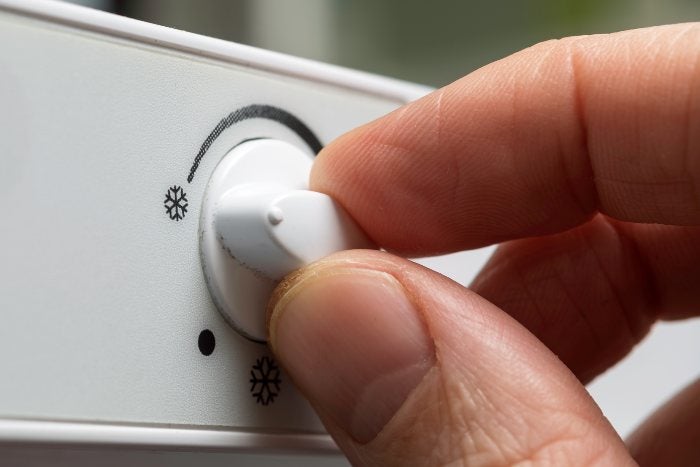
- Make sure your temperature setting hasn’t been accidentally adjusted.
- Use an appliance thermometer to compare the actual temperature with the display reading.
- If the numbers don’t match or if the unit doesn’t respond to setting changes, the sensor may need replacement.
When to Seek Professional Help for Freezer Repair
Sometimes, troubleshooting only gets you so far. If your freezer still isn’t holding the correct temperature after basic maintenance, there may be a more complex issue at play. Our freezer repair technicians in Keller, TX, are equipped to handle everything from minor part replacements to full system diagnostics. Delaying freezer repair can lead to food waste, increased energy use, or permanent damage to the appliance. Professional help is likely needed when:
- The freezer won’t cool even after cleaning and defrosting.
- There’s visible damage to internal components or wiring.
- Your unit is more than 10 years old and showing signs of wear.
- Strange noises continue after all visible problems are addressed.
Schedule Freezer Repair in Keller, TX
If your freezer isn’t staying as cold as it should, don’t wait until food starts to spoil. Contact Ace’s Appliance Repair in Keller, TX, today. We’ll send an experienced freezer repair technician to inspect your unit and make any needed repairs.