-
DIY vs. Expert Kitchen Appliance Repair: When to Bring in a Professional
When to Choose DIY vs. Professional Kitchen Appliance Repair
When one of your kitchen appliances stops working, your first thought might be to grab a screwdriver and look up a quick online tutorial. Sometimes that approach works out, but other times, a botched repair triggers a more expensive problem. The truth is, some kitchen appliance repairs make sense for a handy homeowner, while others call for a trained technician. Knowing the difference can save you time, frustration, and money.
Kitchen Appliances That Often Need Repair
Most homeowners deal with appliance trouble at least once. Here are some of the most common large and small kitchen appliance repairs:
- Refrigerators: Trouble cooling, leaking water, loud noises, broken ice maker
- Dishwashers: Drainage issues, standing water, poor cleaning performance, door latch problems
- Ovens and ranges: Uneven heating, faulty burners, broken igniters, temperature control issues
- Microwaves: Turntable failures, sparking, broken door switches, heating problems
- Garbage disposals: Jams, leaks, strange noises, motor failure
- Kitchen-Aid mixers and other small appliances: Worn gears, overheating motors, broken switches, power issues
Benefits of DIY Appliance Repair
There are certainly situations where tackling an appliance repair yourself makes sense. If you’re comfortable doing some basic troubleshooting, you may be able to fix small issues with a few tools and a little patience. If the DIY repair goes smoothly, you may:
- Save money upfront
- Fix the problem faster
- Avoid having to schedule a service appointment
- Work on the appliance when it’s convenient for you
- Gain a better understanding of how your appliance works
Risks and Limitations of DIY Repairs
While DIY appliance repairs are often worth trying, they don’t always solve the problem the way you hoped. Before moving beyond basic troubleshooting, it’s important to consider these potential risks:
- Exposing yourself to electrical shock hazards, water damage, or natural gas leaks
- Causing irreversible damage to sensitive electronic components
- Diagnosing the issue incorrectly
- Ordering the wrong replacement parts
- Voiding the manufacturer’s warranty
- Hurting yourself attempting to move heavy appliances
- Spending hours on repairs that still don’t solve the problem
- Creating larger and more expensive repairs later
When DIY Repairs Are Safe and Practical
Despite the risks and limitations, there are still plenty of situations where you can handle repairs and maintenance tasks yourself. Here’s when DIY repairs are typically safe and practical:
- The appliance simply needs cleaning
- You’re replacing an easily accessible part or filter
- The issue involves a loose connection or a clogged drain
- All you need to do is reset a tripped breaker or GFCI outlet
- No gas lines or electrical wiring are involved
- The repair only requires basic tools
- The appliance manual clearly explains how to troubleshoot the problem, and you feel comfortable following those steps
Signs You Should Call a Professional
DIY repairs are fine for small issues, but it’s important to know your limits. If you ever feel in over your head or notice any of the following warning signs, it’s time to call an experienced appliance repair technician in Keller, TX:
- Burning smells or sparks: Kitchen electrical appliance repairs present serious safety risks. To avoid damaging your home’s wiring, shocking yourself, or creating a fire hazard, it’s best to leave electrical problems to the pros.
- Gas appliance problems: Fixing a gas oven or range requires special training. Even a small gas leak could pose a danger to your household.
- The appliance stops working altogether: A complete breakdown suggests an internal electrical or mechanical failure that requires professional diagnostic tools.
- Online tutorials feel incomplete: Many newer appliances rely on digital control boards, sensors, and advanced wiring. Videos posted online rarely show the full process or the complications that may arise during a repair.
- You already tried fixing it without success: If your first attempt doesn’t solve the problem, the underlying issue could be more complicated than you think. Continuing to troubleshoot might only make things worse.
- The repair involves one of the “big three”: Refrigerator, dishwasher, and oven/range repairs are usually best left to a trained technician. These appliances involve complex electrical components, water or gas connections, and refrigerants, all of which require professional diagnostics and specialized tools to fix safely and properly.
- The appliance is still under warranty: Many manufacturers require repairs to be completed by authorized technicians. Taking a DIY approach may void the warranty and leave you with a much larger repair bill later.
Schedule Reliable Kitchen Appliance Repairs Today
When it’s clear that basic troubleshooting isn’t working, Ace’s Appliance Repair is here to help. Our locally owned team has served Tarrant County for over two decades. Over the years, we have earned a reputation for quick response times and reliable repairs that last. Turn to us for everything from a finicky refrigerator or broken dishwasher to countertop Kitchen-Aid appliance repair. For your peace of mind, we offer a one-year parts and labor warranty on everything we do. For kitchen appliance repair in Keller, TX or the surrounding area, please contact us today.
-
Safety Guide for Vintage Appliances
Inspecting & Using Vintage Appliances Safely
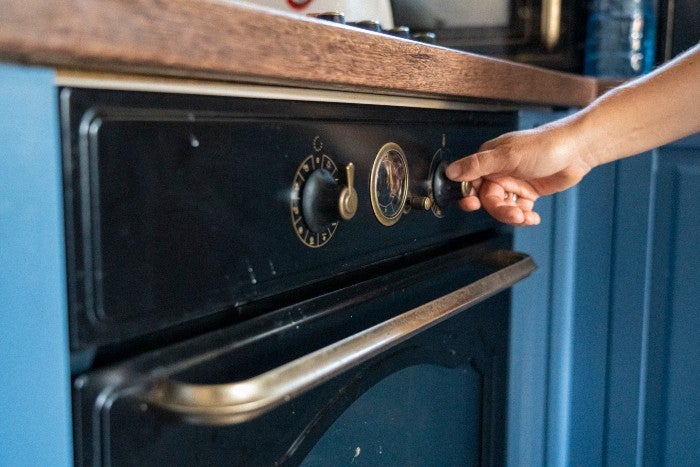
There’s something satisfying about using appliances with personality. A retro stand mixer, an old-school refrigerator, or a classic range gives your kitchen a unique look that newer models can’t replicate. Many homeowners hold onto their vintage kitchen appliances—or invest in them during renovations—because they add character to the space. Still, older machines sometimes pose safety concerns that deserve a closer look. A little caution before plugging them in or cleaning them can keep your appliances running safely for many years.
Common Safety Risks Associated with Vintage Appliances
Appliance parts wear down after decades of use, and some materials that were the norm years ago no longer meet safety standards. Here are some specific issues to pay attention to:
- Frayed or cracked power cords: Older refrigerators, stand mixers, and toasters often have brittle wiring insulation that exposes wires and raises the risk of electric shock or fire. Replace damaged wiring immediately and avoid using extension cords as a permanent solution.
- Ungrounded electrical systems: Many vintage-style kitchen appliances use two-prong plugs. Without proper grounding, the appliance may become unsafe during power surges or electrical faults.
- Overheating motors: Vintage blenders, food processors, and stand mixers may overheat after extended use because their motors have worn out. To reduce the need for vintage small appliance repair, give them time to cool between uses and unplug them immediately if you notice a burning smell.
- Gas leaks: Vintage gas stoves and ovens may have worn seals or loose fittings. If you smell gas, stop using the appliance and evacuate your home. Schedule vintage appliance repair before using the stove or oven again.
- Outdated internal parts: Some vintage home appliances contain aging insulation, switches, or connectors that no longer perform safely. Professional inspections identify parts that need to be replaced.
- Overloaded circuits: Many older appliances draw more power than modern energy-efficient models. Plugging multiple high-powered vintage appliances into the same outlet may overload the circuit, causing the breaker to trip. To avoid this, spread appliances across different outlets and circuits.
Inspection Checklist Before Using a Vintage Appliance
Inspect vintage appliances upon installation and at least once a year after that. Each inspection should follow this checklist:
- Check the power cord for cracks, exposed wires, or discoloration.
- Inspect plugs and outlets for loose connections or scorch marks.
- Look for moisture damage to electrical components. Rust near switches, burners, or internal compartments deserves attention.
- Check gas fittings and connections for leaks or cracking.
- Make sure aftermarket parts fit properly and perform as intended.
- Check for loose handles, knobs, and hinges, which may affect operation or expose internal components.
- Listen for unusual sounds. Grinding, buzzing, or rattling noises may signal internal wear.
- Pay attention to burning odors. Unplug the appliance immediately if you notice unusual smells during operation.
- Test the temperature control of vintage ovens, refrigerators, and freezers with a thermometer to verify proper operation.
- Check for dust buildup on refrigerator coils. Vacuum regularly to improve heat transfer.
DIY Maintenance vs. Professional Restoration
Basic inspections and cleaning keep many vintage home appliances in good shape. Some homeowners also replace simple exterior parts, such as knobs or trays, to alter the appearance or improve functionality. DIY upkeep saves money and keeps your appliances looking good between service appointments.
Still, DIY work has its limits. Internal wiring, gas lines, and motors require proper training and specialized tools to repair and replace. Because many vintage appliances were built before modern electrical standards, even a small mistake could create safety hazards that aren’t immediately apparent.
Professional restoration gives older appliances a safer second life. Experienced technicians inspect wiring, identify hidden issues, replace worn parts, and test performance before returning them to regular use. Professional service also reduces the risk of breakdowns, overheating, and electrical issues going forward. In short, investing in proper restoration keeps vintage appliances operating safely and dependably for years to come.
Keep Your Vintage Appliances Running Smoothly
Vintage appliances deserve the same level of care as any major home investment. Regular inspections, safe operating habits, and professional maintenance set them up for a more reliable future. Ace’s Appliance Repair is the right contractor for the job. Our certified technicians stay current with training and the latest best practices to service nearly any appliance make, model, or year.
We also offer maintenance plans for homeowners who want ongoing protection. Members receive annual appliance cleaning and maintenance, preferred scheduling, half-price repairs, and other benefits. There’s no better time to secure your peace of mind and ensure years of trouble-free service than when installing “new” vintage kitchen appliances. Contact us today to schedule professional appliance maintenance or restoration in Keller, TX or the greater Tarrant County area.
-
Genius Tips to Extend Your Oven’s Lifespan
Genius Tips to Extend Your Oven’s Lifespan
Ovens are one of the most essential appliances in any home, and at Ace’s Appliance Repair, we understand how important it is to keep yours working efficiently for as long as possible. With over 20 years of experience in appliance repair in Keller, TX, we’ve seen firsthand how simple habits and preventive maintenance can drastically increase your oven’s performance and longevity. The average lifespan of an oven ranges from 13 to 15 years, but with the right care, it can last even longer.
Why Oven Maintenance Matters
Routine maintenance isn’t just about preventing breakdowns. It helps ensure your oven cooks evenly, operates efficiently, and stays safe. Over time, grease, food debris, and worn components can cause poor heating or even lead to fire hazards. Addressing small issues early through regular upkeep or timely oven repair can save you from needing a full replacement.
Understand Your Oven
Whether you have a standard model or a high-end electric unit, knowing how your appliance works makes a big difference in how you care for it. Understanding your oven’s functions, typical wear points, and model-specific features allows you to spot early signs of trouble and better maintain performance. Here are a few ways to get to know your oven better:
- Read the manufacturer’s manual and take note of maintenance instructions.
- Learn the difference between convection and conventional settings.
- Understand the heating cycle and how it should function during normal use.
Regular Cleaning
Grease buildup and leftover food can reduce efficiency and even damage internal parts. Regular cleaning helps your oven perform better and extends its lifespan. It also improves safety by reducing the risk of smoke and fire. Follow these cleaning tips to keep your oven in good shape:
- Wipe spills after each use, especially on the door and racks.
- Use damp cloth or gentle cleaner weekly to clean interior surfaces.
- Running a self-cleaning cycle only as often as recommended overuse can stress components.
- Avoid using harsh chemicals that can damage seals or sensors.
Check and Maintain Components
Ovens rely on a series of mechanical and electrical components that wear out over time. Keeping these parts in working order is key to preserving your oven lifespan. Ignoring failing components can put strain on the system and lead to more serious issues. Our oven repair service includes diagnosing these problems and replacing parts as needed, which is a cost-effective alternative to replacing the entire appliance. We recommend regular checks for:
- Door seals that are cracked or loose, which can cause heat loss
- Heating elements that are slow to warm up or visibly damaged
- Thermostats that cause inaccurate temperatures
- Control panels or knobs that are unresponsive or intermittent
Avoid Common Mistakes
Many homeowners unintentionally shorten the life of their oven by misusing it. Small errors in everyday use can lead to damage that builds up over time. Avoid the following to help preserve your electric oven lifespan:
- Slamming the oven door, which can misalign hinges and seals
- Using aluminum foil on the bottom of the oven, which can block airflow and damage heating elements
- Ignoring strange smells or sounds, which often signal repair needs
- Overloading oven racks, which can affect airflow and cause uneven cooking
The Benefits of Preventive Maintenance
Instead of waiting for a problem to surface, schedule regular service checks to keep everything running smoothly. Our technicians are trained to spot early warning signs and perform routine tune-ups that reduce the risk of major failures. For many households, the oven is used almost daily. That heavy use makes maintenance even more important if you want to get the most out of your investment. Benefits of preventive maintenance include:
- Improved energy efficiency
- Even and reliable cooking performance
- Extended time between replacements
- Lower repair costs over time
Need Help? Call the Experts in Oven Repair in Keller, TX
At Ace’s Appliance Repair, we’re committed to helping you protect your home appliances and save money in the long run. Whether it’s routine maintenance or a complex repair, our local oven repair service ensures your appliance stays in top condition. We bring over two decades of hands-on experience, and we treat every call like a priority. Contact us today and let our team help you extend the life of your oven with expert service and reliable care.
-
Easy Tips for DIY Appliance Repair
DIY Fixes for Broken Home Appliances
Fixing household appliances on your own can be a great way to save money, learn useful skills, and avoid unnecessary service calls. At Ace’s Appliance Repair in Keller, TX, we know the value of professional repair, but we also understand that some issues are simple enough to handle at home. If you’re willing to put in a bit of time and follow a few guidelines, DIY appliance repair can be a smart solution for minor problems.
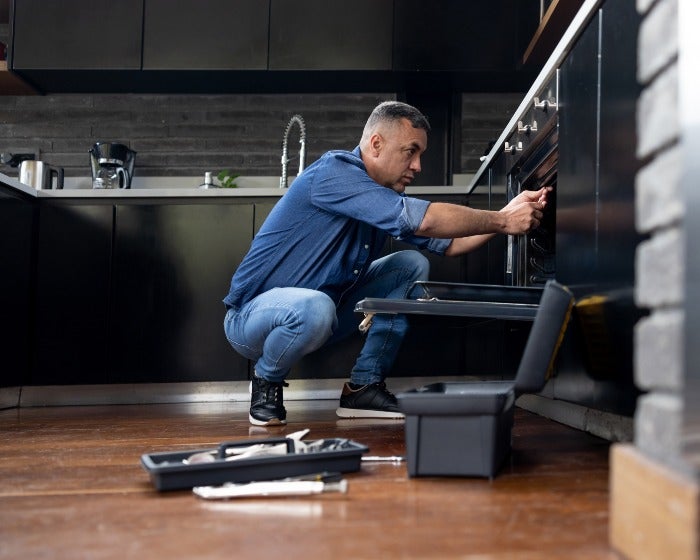
Latin American electrician fixing an oven at a house using his tool box – domestic life concepts
Safety First During DIY Appliance Repair
Before diving into any repair project, safety should always be the top priority. Home appliance DIY repair often involves electricity, heat, or sharp components, so caution is critical. Taking proper steps to protect yourself and your home can prevent injuries and further damage to the appliance. If at any point the repair feels beyond your skill level, it’s safer to stop and call a professional appliance repair service. Follow these basic safety rules:
- Unplug the appliance or shut off power before working.
- Use insulated tools and wear safety gloves when appropriate.
- Avoid working on wet surfaces or using water near exposed wiring.
- Keep your workspace clean and free of clutter.
- Always consult the appliance manual for specific warnings.
Common DIY Appliance Repairs
Some of the most frequent appliance problems can be addressed quickly with just a few tools and a bit of know-how. DIY small appliance repair and larger home appliance fixes are possible when the issues are basic and the parts are accessible. Each of these tasks can improve performance and extend the life of your appliances with minimal effort. Here are some examples of common repairs homeowners can often do themselves:
- Replacing refrigerator door seals or light bulbs
- Cleaning dryer vents and replacing lint filters
- Unclogging dishwasher spray arms
- Resetting tripped circuit breakers on ovens or microwaves
- Swapping out worn-out washing machine hoses
- Replacing air filters in over-the-range microwaves
Tools and Supplies for DIY Appliance Repair
Having the right tools on hand makes home appliance DIY repair much easier and safer. You don’t need a full workshop to get started, but a few basic items can help you handle a range of tasks. These tools cover most small jobs and can often save you a service visit when you’re dealing with a minor issue. We recommend stocking your toolbox with the following:
- Phillips and flathead screwdrivers
- Nut drivers and socket set
- Multimeter for electrical testing
- Needle-nose pliers and wire cutters
- Flashlight or headlamp
- Work gloves and safety glasses
- Replacement fuses, belts, or other common DIY appliance repair parts
DIY Home Appliance Repair Troubleshooting Tips
Diagnosing the root of a problem is often the hardest part of DIY home appliance repair. Sometimes an appliance stops working due to something simple like a tripped breaker, a loose connection, or a clogged filter. Taking a few minutes to observe and test can save you from unnecessary part replacements or disassembly. Before you take the appliance apart, consider these troubleshooting steps:
- Check for obvious signs like error codes or flashing lights.
- Listen to unusual sounds that indicate specific failures.
- Inspect the power source and circuit breakers.
- Clean filters, vents, or condenser coils.
- Search online forums for model-specific troubleshooting tips.
Benefits of DIY Appliance Repair
Doing your own repairs offers benefits beyond saving money. It allows you to understand your appliances better and be more confident in maintaining them. In many cases, a simple repair can be done faster than waiting for a service call, especially for non-emergency issues. For minor issues, these benefits often outweigh the effort required to learn the repair process. Here are some key advantages of trying a DIY repair first:
- Lower costs for minor fixes
- Faster solutions without scheduling delays
- Hands-on learning and self-sufficiency
- Reduced downtime for essential appliances
- Greater understanding of basic household maintenance
Know When to Replace and When to Repair
Not every appliance problem is worth fixing, even with DIY methods. If the cost of parts is high or the appliance is near the end of its lifespan, replacement might be a better long-term option. Likewise, if the repair involves sealed systems, advanced electronics, or internal gas lines, it’s time to call in a licensed appliance repair service. Being realistic about what you can and should repair is just as important as the repair itself. Consider these factors when deciding whether to repair or replace:
- Age and overall condition of the appliance
- Cost and availability of DIY appliance repair parts
- Frequency of recent issues or breakdowns
- Manufacturer support and availability of documentation
- Safety concerns beyond your comfort zone
Preventative Maintenance Tips
Keeping appliances in good working order reduces the need for frequent repairs, and a few basic habits and regular checks can prevent many common issues before they start. Simple maintenance goes a long way in extending the life of your appliances and avoiding costly repairs. Add these preventative tips to your routine:
- Clean dryer lint traps after every use.
- Vacuum refrigerator coils every six months.
- Run vinegar or dishwasher cleaner through the dishwasher monthly.
- Avoid overloading washers and dryers.
- Inspect appliance cords and hoses for wear or damage.
- Keep oven and microwave interiors clean to prevent build-up.
Need Help? Schedule Professional Appliance Repair Today
DIY isn’t always the best option. When the job is too complex or the fix doesn’t hold, our team is here to help. With over 20 years of experience, Ace’s Appliance Repair in Keller, TX, provides fast, reliable service for all major brands and appliance types. Call us today to schedule a professional repair or ask about our diagnostic services. We’re happy to help when DIY just isn’t enough.