-
Understanding Appliance Repair Decisions
Understanding Appliance Repair Decisions
When something breaks in the kitchen or laundry room, most homeowners face the same question: Should I fix this or start looking for a replacement? At Ace’s Appliance Repair in Keller, TX, we’ve been helping customers make that call for over 20 years. It’s not always a simple answer, but there are a few key factors that can help guide the decision.
Factors to Consider Before Deciding
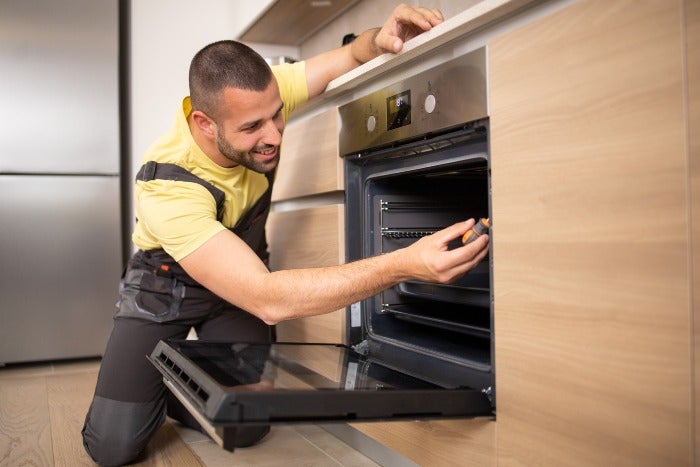
Deciding between appliance repair or replacement depends on a few factors. Think about the appliance’s age, the cost of repairs, and how critical it is to your daily life. An older dishwasher that’s needed multiple fixes might not be worth the expense, but a newer fridge with a simple issue is often worth saving. Here are a few things to evaluate:
- Age of the appliance and whether it’s near the end of its average lifespan
- Current performance issues and how many times it’s needed repair in the past
- Cost of repairs versus the price of a new unit
- Energy efficiency of the old appliance compared to new models
- Availability of parts and the likelihood of future breakdowns
Environmental Considerations
In today’s world, sustainability matters more than ever. Extending the life of a household appliance through repair can reduce waste and lessen the environmental impact of manufacturing new units. When it’s possible to safely and effectively fix an appliance, that’s usually the greener choice. At our appliance repair company, we always offer options that balance function, cost, and responsibility. That said, sometimes energy savings from newer models outweigh the benefits of a repair. If your appliance is outdated and inefficient, replacing it with an Energy Star-rated model can cut down on electricity use and lower your utility bills.
When to Perform Home Appliance Repair
Some appliances are built to last, and often, a simple fix can get them back to full performance. Home appliance repair is often the best route when the unit is still within its expected service life and the repair is affordable. Our experienced technicians can quickly diagnose the problem and let you know if the repair makes sense. These are the most common signs that a repair is the smarter choice:
- The appliance is under 8–10 years old.
- The cost of repair is less than 50% of the cost of a new unit.
- It’s a minor issue, such as a faulty switch, worn belt, or broken seal.
- The model is high-end or commercial-grade, making replacement expensive.
- Parts are readily available, and no other major issues are present.
When to Replace a Home Appliance?
There comes a point when repairs stop being cost-effective. Even with expert appliance repair services, an old or heavily used unit may continue to break down or simply run inefficiently. When that happens, replacing may be the better investment. Some newer appliances even come with manufacturer warranties, giving you peace of mind that your investment is protected. Consider replacement in the following situations:
- The appliance is over 10–15 years old, depending on type.
- Repairs cost more than half the price of a new unit.
- Multiple components are failing or have failed in a short time.
- Replacement parts are hard to find or discontinued.
- You’re looking for improved energy efficiency and features.
Appliance Repair vs. Replacement
Each choice has benefits, and the right one depends on your specific needs and situation. Here’s a breakdown of what you gain from each choice:
Benefits of choosing appliance repair:
- Lower cost upfront
- Faster turnaround—repairs can often be done same-day
- Reduced environmental impact
- No need to research, buy, and install a new appliance
Benefits of choosing appliance replacement:
- Improved energy efficiency and lower utility bills
- Access to new technology and features
- Manufacturer warranties on parts and labor
- Less likelihood of future breakdowns
Which Home Appliances Cost the Most to Repair?
Some appliances are much more expensive to repair than others. Knowing which ones typically come with higher repair costs can help guide your decision. If your appliance falls into one of these categories and is near the end of its lifespan, it may make more financial sense to replace rather than repair. Here’s what generally costs more to repair:
- Refrigerators, especially with sealed system or compressor issues
- High-end ranges or wall ovens with electronic control boards
- Front-loading washing machines with drum or motor problems
- Built-in dishwashers with circulation pump or heating element issues
Schedule Trusted Appliance Repair in Keller, TX
When you’re facing the choice between appliance repair or replacement, let our team help. At Ace’s Appliance Repair, we offer fast, honest service backed by over 20 years of experience right here in Keller, TX. Whether your washer is leaking or your fridge won’t cool, we’ll give you a straight answer about the best course of action. Call us today or schedule service online to get started. We’re ready to help you make the smart choice for your home and budget.
-
The Pros and Cons of Buying Used Appliances
The Pros and Cons of Buying Used Appliances in Keller, TX
Replacing a broken appliance doesn’t always mean buying something brand new. In many cases, used appliances offer an affordable and practical solution. At Ace’s Appliance Repair in Keller, TX, we often work with customers who want to buy used home appliances that still have years of reliable service left in them. But like any major purchase, there are pros and cons to consider before deciding.
The Pros of Buying Used Appliances
There are clear benefits to choosing a used appliance over a new one. For homeowners trying to manage costs, this route can free up money for other expenses while still providing the essential functionality they need. For those willing to do a little research and inspect a unit before buying, these savings can make used appliances a smart buy. Here are some of the biggest advantages of buying used:
- Lower upfront cost compared to buying new
- Reduced depreciation
- Availability of older models with simple mechanical parts
- Potential for short-term use while saving for a long-term upgrade
- Helpful for rentals, secondary units, or short-term housing situations
The Cons of Buying Used Appliances
Of course, buying used also comes with risks. Appliances are complex machines, and previous wear and tear isn’t always obvious at first glance. Some used units may look fine but carry hidden mechanical problems or poor repair histories. Understanding the potential trade-offs can help you make informed choices when deciding whether used is truly the right path. These are the common drawbacks:
- No manufacturer warranty in most cases
- Higher likelihood of parts needing replacement
- Possible outdated energy efficiency or features
- Limited selection of size, color, or brand preferences
- Shorter overall lifespan compared to a new unit
Where Can You Buy Used Appliances?
Once you’ve decided that a secondhand unit might work for your space and budget, the next step is figuring out where you can buy used appliances with confidence. It’s important to look for sellers who offer some level of transparency or reliability. While private sellers may offer lower prices, professional resellers are more likely to provide tested units, receipts, or limited guarantees. Consider these popular places to find used appliances:
- Local appliance stores that refurbish and resell
- Reputable resale and thrift centers
- Online marketplaces with seller ratings
- Appliance liquidation outlets
- Friends or neighbors upgrading their equipment
Tips for Buying Used Appliances
Knowing how to buy used appliances safely and smartly comes down to preparation. A few extra steps up front can give you peace of mind and help you get the best value for your money. Take the time to inspect the unit, ask questions, and verify details to avoid expensive surprises later. Before you finalize a used appliance purchase, keep these tips in mind:
- Ask for the model number and look up reviews.
- Check the appliance for visible damage, rust, or mold.
- Test the appliance in person whenever possible.
- Request the unit’s age and whether it has had past repairs.
- Confirm the return policy or any guarantee offered.
- Inspect power cords, gaskets, and doors for wear.
- Research the availability of appliance repair service or replacement parts.
When to Avoid Buying Used Appliances
There are certain situations where buying used simply doesn’t make sense. While the savings can be appealing, the long-term cost of frequent repairs or unreliable performance may not be worth it. We recommend comparing the total investment (including potential repair costs) before deciding to buy. You should reconsider a used appliance if:
- The unit is more than 10 years old and heavily worn.
- The seller can’t verify the working condition.
- Parts are obsolete or hard to find.
- The price is close to that of a new, energy-efficient model.
- It comes with visible signs of damage, corrosion, or electrical issues.
Home Appliance Care & Maintenance
Once you’ve purchased a used appliance, proper maintenance is essential to getting the most from your investment. Even new units benefit from regular care, and it’s especially important for older machines that have already been used. Here are a few simple maintenance tips that apply to all major appliances:
- Clean vents, filters, and coils regularly.
- Avoid overloading washers, dryers, or dishwashers.
- Inspect cords and hoses for wear or leaks.
- Use the appliance as directed by the manufacturer.
- Schedule timely appliance repair service for any performance issues.
Need Help with Repairs? Call Us for Appliance Repair Service
Buying a used appliance doesn’t mean you’re on your own. Whether you need diagnostics, repairs, or routine maintenance, Ace’s Appliance Repair in Keller, TX, is here to help. With over 20 years of experience, we service a wide range of brands and models, both old and new. Contact us today to schedule a service call or ask about keeping your used appliances running at their best.
“”
-
Easy Tips for DIY Appliance Repair
DIY Fixes for Broken Home Appliances
Fixing household appliances on your own can be a great way to save money, learn useful skills, and avoid unnecessary service calls. At Ace’s Appliance Repair in Keller, TX, we know the value of professional repair, but we also understand that some issues are simple enough to handle at home. If you’re willing to put in a bit of time and follow a few guidelines, DIY appliance repair can be a smart solution for minor problems.
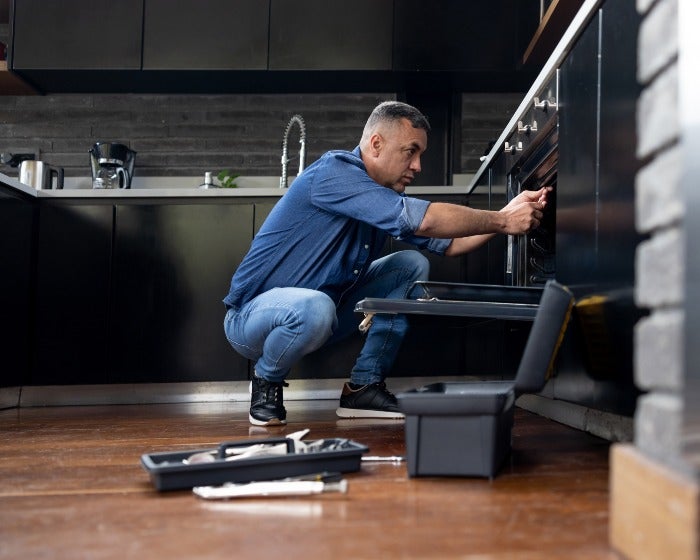
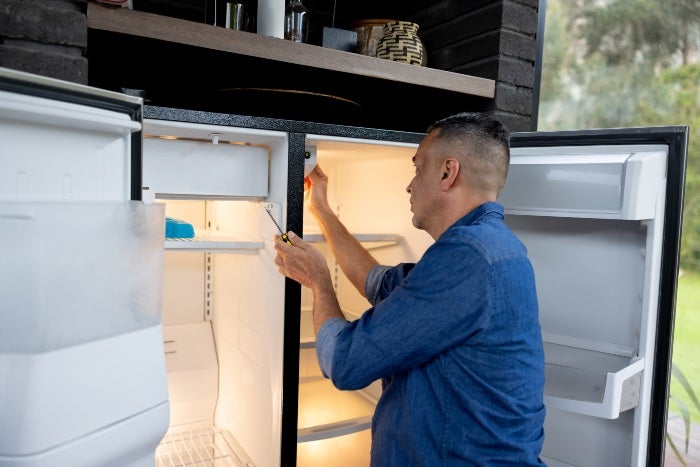
Latin American electrician fixing an oven at a house using his tool box – domestic life concepts
Safety First During DIY Appliance Repair
Before diving into any repair project, safety should always be the top priority. Home appliance DIY repair often involves electricity, heat, or sharp components, so caution is critical. Taking proper steps to protect yourself and your home can prevent injuries and further damage to the appliance. If at any point the repair feels beyond your skill level, it’s safer to stop and call a professional appliance repair service. Follow these basic safety rules:
- Unplug the appliance or shut off power before working.
- Use insulated tools and wear safety gloves when appropriate.
- Avoid working on wet surfaces or using water near exposed wiring.
- Keep your workspace clean and free of clutter.
- Always consult the appliance manual for specific warnings.
Common DIY Appliance Repairs
Some of the most frequent appliance problems can be addressed quickly with just a few tools and a bit of know-how. DIY small appliance repair and larger home appliance fixes are possible when the issues are basic and the parts are accessible. Each of these tasks can improve performance and extend the life of your appliances with minimal effort. Here are some examples of common repairs homeowners can often do themselves:
- Replacing refrigerator door seals or light bulbs
- Cleaning dryer vents and replacing lint filters
- Unclogging dishwasher spray arms
- Resetting tripped circuit breakers on ovens or microwaves
- Swapping out worn-out washing machine hoses
- Replacing air filters in over-the-range microwaves
Tools and Supplies for DIY Appliance Repair
Having the right tools on hand makes home appliance DIY repair much easier and safer. You don’t need a full workshop to get started, but a few basic items can help you handle a range of tasks. These tools cover most small jobs and can often save you a service visit when you’re dealing with a minor issue. We recommend stocking your toolbox with the following:
- Phillips and flathead screwdrivers
- Nut drivers and socket set
- Multimeter for electrical testing
- Needle-nose pliers and wire cutters
- Flashlight or headlamp
- Work gloves and safety glasses
- Replacement fuses, belts, or other common DIY appliance repair parts
DIY Home Appliance Repair Troubleshooting Tips
Diagnosing the root of a problem is often the hardest part of DIY home appliance repair. Sometimes an appliance stops working due to something simple like a tripped breaker, a loose connection, or a clogged filter. Taking a few minutes to observe and test can save you from unnecessary part replacements or disassembly. Before you take the appliance apart, consider these troubleshooting steps:
- Check for obvious signs like error codes or flashing lights.
- Listen to unusual sounds that indicate specific failures.
- Inspect the power source and circuit breakers.
- Clean filters, vents, or condenser coils.
- Search online forums for model-specific troubleshooting tips.
Benefits of DIY Appliance Repair
Doing your own repairs offers benefits beyond saving money. It allows you to understand your appliances better and be more confident in maintaining them. In many cases, a simple repair can be done faster than waiting for a service call, especially for non-emergency issues. For minor issues, these benefits often outweigh the effort required to learn the repair process. Here are some key advantages of trying a DIY repair first:
- Lower costs for minor fixes
- Faster solutions without scheduling delays
- Hands-on learning and self-sufficiency
- Reduced downtime for essential appliances
- Greater understanding of basic household maintenance
Know When to Replace and When to Repair
Not every appliance problem is worth fixing, even with DIY methods. If the cost of parts is high or the appliance is near the end of its lifespan, replacement might be a better long-term option. Likewise, if the repair involves sealed systems, advanced electronics, or internal gas lines, it’s time to call in a licensed appliance repair service. Being realistic about what you can and should repair is just as important as the repair itself. Consider these factors when deciding whether to repair or replace:
- Age and overall condition of the appliance
- Cost and availability of DIY appliance repair parts
- Frequency of recent issues or breakdowns
- Manufacturer support and availability of documentation
- Safety concerns beyond your comfort zone
Preventative Maintenance Tips
Keeping appliances in good working order reduces the need for frequent repairs, and a few basic habits and regular checks can prevent many common issues before they start. Simple maintenance goes a long way in extending the life of your appliances and avoiding costly repairs. Add these preventative tips to your routine:
- Clean dryer lint traps after every use.
- Vacuum refrigerator coils every six months.
- Run vinegar or dishwasher cleaner through the dishwasher monthly.
- Avoid overloading washers and dryers.
- Inspect appliance cords and hoses for wear or damage.
- Keep oven and microwave interiors clean to prevent build-up.
Need Help? Schedule Professional Appliance Repair Today
DIY isn’t always the best option. When the job is too complex or the fix doesn’t hold, our team is here to help. With over 20 years of experience, Ace’s Appliance Repair in Keller, TX, provides fast, reliable service for all major brands and appliance types. Call us today to schedule a professional repair or ask about our diagnostic services. We’re happy to help when DIY just isn’t enough.
-
Advantages of Professional Home Appliance Repair Services
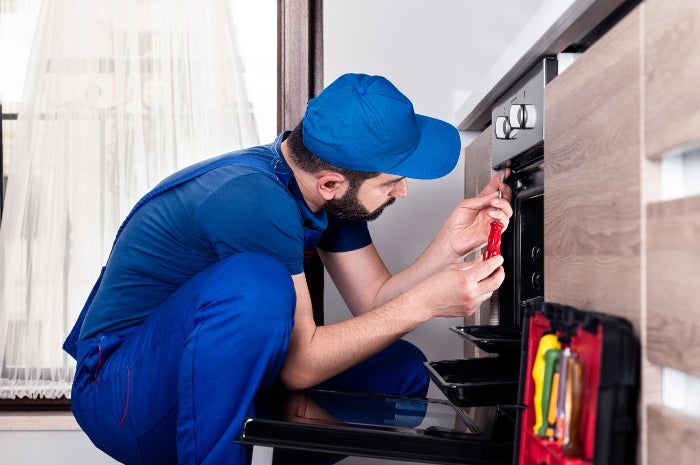
When something goes wrong with one of your major home appliances, it can be inconvenient, uncomfortable, and costly. While it might be tempting to try to save money with DIY appliance repairs, you may end up violating your appliance warranty or rendering the appliance unsafe or useless. It’s always best to turn to a reputable home appliance repair company for an inspection, troubleshooting, diagnostics, and repair. Professionals have the education, training, experience, and tools needed to find effective solutions that ensure your appliance functions properly and remains safe to use. Here is a closer look at the biggest advantages of professional home appliance repair in Keller, TX.
Professional Guidance, Advice, and Recommendations
A company specializing in home service, appliance repair, and preventive maintenance employs technicians with extensive experience and training. Appliance repair technicians can offer professional guidance in the best methods of using, cleaning, and maintaining your appliances. They can provide advice on troubleshooting appliance issues and give you their professional recommendation as to whether you should repair or replace an appliance. Finally, they can help you choose a new appliance or use your appliance in the best way to maintain its performance, safety, and efficiency.
Save Time & Money, and Avoid Stress
Dealing with appliance problems can cause major stress, especially if it’s an expensive appliance or one that you use every day. If you hire an unskilled repair person, you may end up with shoddy repairs that shorten your appliance’s lifespan. Even worse, the repairs could make your machine unsafe to use or violate your appliance warranty. You can save time and money and avoid stress by hiring a professional right from the start. A professional technician will be able to accurately diagnose the problem and find the best solution, minimizing your inconvenience and discomfort.
Maintain Your Home’s Safety
Certain appliances can become dangerous when damaged. They can put you at risk of an electrical fire, electric shock or electrocution, carbon monoxide poisoning, burns, or other injuries. They can also cause flooding, mold and mildew growth, and other property damage. A professional appliance repair technician will ensure the repairs are timely, any damaged parts are replaced, and that your appliance and home are safe.
Comply With Appliance Warranty Terms
Your appliance warranty’s terms may require that repairs be completed by a licensed or certified technician. If you don’t comply with these terms, you may invalidate your warranty. This means that you will end up having to pay for any home appliance repair plans or fees out of your own pocket.
Make Sure Your Appliance Remains Convenient and Accessible
Major household appliances like washers and dryers, dishwashers, garbage disposals, refrigerators, ovens, and stovetops are crucial to everyday safety and comfort. When one is broken, your entire household routine can be disrupted. You may have to resort to using a laundromat, eating takeout, or replacing an entire refrigerator’s worth of spoiled groceries. Hiring a professional appliance repair person guarantees that your repairs will be completed efficiently. This means your appliance will be up and running and ready to use again as quickly as possible.
Extend the Appliance’s Lifespan
Improper or DIY repairs can significantly shorten an appliance’s lifespan. You may even end up needing to get rid of the machine completely. Appliance repair technicians understand common problems associated with different household appliances and can accurately diagnose the issue. They also provide routine inspections, testing, and preventive appliance maintenance that can reduce your risk of costly repairs and inconvenient breakdowns. They know what tools and techniques to use to properly repair your home appliance, and they will use quality, genuine parts that ensure safe, reliable operation for years to come.
Call Us for Professional Home Appliance Repair Service
If you have noticed signs of a malfunctioning or broken appliance in your home, don’t ignore the problem. It may get bigger, more expensive to repair, or even dangerous. At Ace’s Appliance Repair, we have a team of friendly, skilled appliance repair technicians. For more than 20 years, we have been providing reliable home appliance repair services in Keller, TX. We are committed to quality work, exceptional customer service, and competitive, transparent pricing. We specialize in maintaining, troubleshooting, and repairing refrigerators, freezers, ice makers, dishwashers, garbage disposals, stoves, ovens, ranges, washing machines, dryers, microwaves, and more. Call us now or contact us online to make an appointment and find out what’s wrong with your appliance.
-
The Importance of Ice Maker Maintenance for High-End Ice Makers

A high-end ice maker is a big investment, but it offers advanced features like nugget ice or clear ice, gourmet ice cubes, higher production capacity, smart technology, and self-cleaning settings. Once you’ve invested so much money in an expensive appliance, you want to be sure to care for it properly. Here is a closer look at the importance of ice maker home maintenance and commercial ice maker maintenance in Keller, TX.
Why Maintenance Is Crucial for High-End Ice Makers
Preventive appliance maintenance, which includes regular inspections, cleaning, lubrication, sanitizing, and testing settings, is crucial for high-end ice makers. They are large, complex appliances that rely on a lot of small working parts to function properly. When they don’t function properly, you risk a lack of ice, customer dissatisfaction, food safety and health violations, and costly repairs. The biggest benefits of ice maker preventive maintenance are:
- Prevention of the growth of mildew, mold, and algae
- Reduced risk of ice contamination with bacteria and other pathogens
- Ensure quality ice that is safe and healthy to consume
- Maintain consistent ice production
- Avoid breakdowns and performance problems
- Maintain efficiency and reduce energy consumption
- Reduce the need for repair costs or premature replacement
- Extend the lifespan of your appliance
- Comply with health codes, food safety regulations, and appliance warranty terms
- Minimize downtime and inconvenience
Ice Maker Maintenance Tips for Different Models
Most ice makers function in the same way, so their maintenance and cleaning needs will be roughly the same. However, you should always read your appliance manual carefully. Make sure you are following proper usage instructions, only putting recommended fluids in the ice maker, and following manufacturer recommendations for cleaning and maintenance. The most important tasks that should be on your ice maker maintenance checklist are:
- Completely emptying and unplugging the machine to clean and sanitize it
- Removing all ice from the storage bin before cleaning or servicing to prevent contamination
- Using your appliance manual for instructions on proper cleaning, sanitizing, and maintenance
- Only using recommended, food-safe products for cleaning and sanitizing
- Removing and washing all washable parts
- Cleaning the interior, including water lines, paddles, arms, and other surfaces
- Rinsing all parts after cleaning
- Testing after reassembly
- Changing water filters regularly
- Wiping down the exterior regularly with a damp cloth or sponge
- Checking all plugs, hoses, water lines, valves, and other parts for signs of leaks, holes, damage, rust, discoloration, freezing, and other problems
Signs You Need Home or Commercial Ice Maker Maintenance
If you aren’t consistent about your ice maker cleaning and maintenance routine, you’ll start to notice problems. Here are some of the signs you need home or commercial ice maker repairs or maintenance:
- Low ice production or no ice at all
- Cloudy ice
- Soft ice
- Ice that looks, smells, or tastes strange
- A buzzing, grinding, or knocking sound from the machine
- Water leaks
- Frozen hoses or other elements
- Visible damage, rust, corrosion, or other residue on the machine or any parts
- The presence of mold, mildew, algae, or slimy residue
- Overheating, or a machine that is noticeably hot to touch
- Dirty vents or filters
Preventing Common Home & Commercial Ice Maker Issues
The best ways to prevent problems with your ice machine are to inspect it regularly, clean and sanitize it each week, and keep up with preventive maintenance. Some other prevention strategies are:
- Regular cleaning and sanitizing of the ice maker
- Replacing or cleaning water filters as recommended
- Inspecting and cleaning condenser coils each month
- Wiping, cleaning, and sanitizing interior and exterior surfaces and elements each week
- Doing a deep clean every month
- Consistently checking water pressure
- Checking the hose or water supply line for cracks, kinks, freezing, or other damage
- Ensuring the ice machine is installed in the optimal location with proper placement and airflow
- Assessing and adjusting the thermostat settings as needed
- Scheduling professional maintenance as recommended
- Ensuring it gets timely repairs and replacement parts as needed
Call Ace’s Appliance Repair for Ice Maker Maintenance & Repair
If your residential or commercial ice maker is showing any signs of damage, Ace’s Appliance Repair can help. We have over 20 years of experience in appliance repair, and have worked on ice makers of all sizes and types. From small combo units in home refrigerators to large commercial freezers and ice machines, we can handle any problem, big or small. Our preventive maintenance program makes it easy to keep up with the maintenance tasks your appliance needs to work properly and safely. Call us now or contact us online to schedule ice maker maintenance and repair in Keller, TX.
-
How does Dust increase the Risk of Refrigerator Repair?
One of the worst things that you can do with your refrigerator is to neglect cleaning and maintenance tasks. When dust, grease, and grime build up on your refrigerator, you have a bigger chance of needing costly or extensive refrigerator repairs in Keller, TX. Here is a closer look at how dust can cause damage to your refrigerator, and how you can prevent it.
Understanding How Refrigerators Work
Residential and commercial refrigerators operate in very similar ways. They use a closed system that circulates refrigerant through four main components that transfer heat from the inside of the fridge to the outside, and lower the pressure and temperature inside the fridge. The basic process by which they work includes:
- The compressor takes low-pressure refrigerant gas and compresses it, which increases its temperature and pressure.
- The gas is then hotter than its environment or exceeds room temperature.
- This hot, high-pressure gas is transported over the refrigerator’s condenser coils, which are located at the back of the refrigerator.
- Heat is released into the air, which causes it to cool and turn into a high-pressure liquid.
- This high-pressure liquid is then pushed through a narrow expansion valve to reduce its pressure and allow it to cool and expand.
- It then enters the evaporator coils inside the refrigerator and rapidly evaporates.
- As this happens, it absorbs heat from inside the fridge, which cools its interior.
- The cold, low-pressure gas is then drawn back into the compressor, and the cycle repeats.
The Importance of Commercial Refrigeration Repair & Maintenance
Without care, cleaning, and preventive appliance maintenance, your refrigerator won’t last as long. It may become inefficient, require more energy to run, not operate properly, or need costly repairs. Maintenance will extend the lifespan of your commercial refrigeration system and ensure you’re following proper food safety protocols and health regulations. The biggest benefits of keeping up with preventive refrigeration maintenance are:
- Comply with health codes and food safety regulations.
- Maintain the quality, safety, and value of foods and beverages.
- Reduce the risk of mold and mildew, spoilage, and other problems.
- Prevent costly breakdowns, downtime, and interruption of business.
- Avoid financial and legal liability due to health and safety issues.
- Extend the lifespan of your equipment and avoid premature refrigeration failure.
- Maintain equipment efficiency and performance, and reduce energy usage.
- Identify problems early, before they get bigger and more expensive.
Common Areas Where Dust Accumulates on Refrigerators
Dust can settle on any part of your refrigeration system. However, the parts where it is most likely to build up or accumulate are ones that people don’t touch or use as often. These are the most important areas to inspect and clean:
- Back and underside of refrigerators and refrigeration equipment
- Condenser coils
- Compressor area
- Ventilation grills and kickplate
- Fan blades
- Gaskets or seals
- Top of the fridge
Benefits of a Dust-Free Refrigerator
Keeping your refrigerator clean and dust-free reduces your risk of problems. The benefits of regularly cleaning your commercial refrigerator include:
- Less strain on the equipment
- Lower energy bills
- Reduced risk of damage and breakdowns
- Less costly refrigerator repairs
- Reduced wear and tear
- Longer lifespan
- Improved performance
- Consistent cooling
- Less food spoilage or waste
- Reduced allergens
- Fewer odors
The Consequences of Dust Accumulation on Fridges
When dust builds up on the exterior or interior of your refrigerator, it can cause major problems. Some of the consequences of neglecting commercial refrigeration cleaning and maintenance are:
- Reduced cooling efficiency
- Increased energy consumption
- Strain and overheating
- Airflow obstruction
- Breakdown of water and ice equipment
- Damage to filters
- Premature failure
- Spoiled food
Signs You Need Refrigerator Repair Service
Lack of cleaning and maintenance can increase the chances of needing refrigerator repair. Some of the signs you need to call a commercial appliance repair company include:
- Hot interior or inconsistent temperatures
- Faster food spoilage
- Increased humidity or condensation
- Ice formation in the fridge
- Ice melting or leaks from the freezer
- Strange odors
- Mold or mildew
- Strange noises
- Frequent cycling
- Doors that won’t stay closed
- Increased energy bills
- Non-working water or ice dispenser
Call Ace’s Appliance Repair for Emergency Refrigerator Repair
Ace’s Appliance Repair specializes in commercial appliance repair services. We understand how important your commercial refrigeration system is to your business’ operations and reputation. We offer speedy response times, thorough testing and diagnoses, and reliable, comprehensive, and cost-effective refrigeration solutions. We can repair all refrigerator makes and models, and commercial systems of all sizes. Call us now or contact us online for emergency refrigerator repair in Keller, TX.
-
What to Know About Your Appliance Warranty

An appliance warranty is a contract that protects the consumer by covering the cost of appliance repair or replacement if the appliance malfunctions or breaks down after installation, repairs, or replacement. Most warranties cover basic problems like manufacturing issues, poor quality parts, installation issues, defects, or issues under normal use. They may not cover abuse, misuse, or neglect. Here is what you need to know about your appliance warranty in Keller, TX.
Understanding the Basics of a Home Appliance Warranty
Your home appliance warranty is a contract. It contains specific terminology and language meant to protect you as a consumer while also imposing limits on the liability of the appliance manufacturer, repair person, or installer. Most contracts cover repairs or replacements due to defective products or parts. However, they do not usually cover normal wear and tear, accidents, negligence, installation issues, or damage that occurs due to misuse, abuse, or lack of maintenance.
When your appliance has a problem, you submit a warranty claim to the manufacturer, the warranty company, or your appliance repair company. They will send a technician to your home to inspect the appliance and diagnose the problem. You will have to pay a service fee for this appointment. The technician will then submit a claim to the warranty company, which will review it and either approve or deny it. If the claim is approved, the company will cover repair or replacement costs, which may be capped.
The Importance of a Household Appliance Warranty
Household appliance warranties offer financial protection and peace of mind. If you are purchasing a large, expensive, or complex appliance or one that you know you will rely on each day, it is in your best interests to make sure it is under warranty. You can also purchase an extended warranty for your appliance. The biggest benefits of warranties are:
- Protection from large expenses related to the appliance breaking down and needing repairs or replacement
- Peace of mind and improved home comfort and safety
- Reduced risk of costly, inconvenient, or lengthy periods without the use of the appliance
- Coverage for a wide range of different appliances and common problems they may face
What to Consider When Evaluating Appliance Warranties
You may have a choice as to the kind of coverage your appliance warranty offers. You may be able to upgrade your warranty or purchase extended warranty coverage. When evaluating the warranty, you should consider:
- The reputation of the appliance company, repair company, and warranty provider
- The ability of the warranty provider to cover claims
- The reputation and skill of the repair company
- Exactly what is covered by the warranty
- What isn’t covered
- Certain conditions and circumstances that will invalidate or nullify the warranty
- The length of the warranty
- Whether the warranty is transferable to a new address or owner
- How often you will use the appliance
- The brand’s reputation for reliability and longevity
- The process for filing a claim, and how long it takes to get a resolution
- Options for appliance repairs, replacements, and service in your area
Types of Home Appliance Warranty Plans
There are a few different types of home appliance warranties. Understanding the differences between them will help you determine which is right for you:
- Manufacturer Warranties – This is a warranty that is included with the appliance at the time you purchase it. The cost is covered by the manufacturer, who will cover certain repairs, parts, and components, and other issues for a certain period of time.
- Extended Warranties – An extended warranty can be purchased from a warranty company to protect your appliance further. This is ideal for first-time homeowners, major appliances like HVAC systems, and washers and dryers. They are sold by third parties and offer a longer coverage period.
- Repair, Parts, and Labor Warranties – These are offered by appliance repair companies and are meant to guarantee the quality of their work for a certain time. If you have a problem within that period, the company will send someone to assess the issue and determine a resolution.
Problems Typically Covered by Appliance Warranties
Not all appliance problems are covered by a warranty. You will need to read your warranty contract carefully to confirm what conditions are covered. Some of the most common issues that are covered are:
- Manufacturing defects
- Mechanical failures
- Electrical issues
- Wear and tear within reason and within the warranty period
Problems that aren’t typically covered include:
- Misuse or abuse
- Accidents
- Natural disasters
- Normal wear and tear outside of the warranty period
- Installation problems when done by a third party
How to File an Appliance Warranty Claim
The first thing you should do is review your warranty paperwork or log into your account online. Review the terms of the warranty carefully to make sure your issue is covered. Then, determine what documentation is needed for the claim. While the claims process may vary from company to company, the general process is:
- Fill out a warranty claim online or over the phone.
- Provide the necessary documentation, which is usually your receipt, warranty certificate or documentation, and the appliance user manual.
- Provide a detailed description of the problem.
- Schedule appliance repair service by an authorized technician.
- Pay the necessary service fees.
- Get a copy of the technician’s claim or documentation.
Tips for Maintaining Warranty Validity
It’s important to follow all manufacturer instructions, warranty terms, and usage and maintenance recommendations to protect your warranty. Here are some tips for maintaining your warranty coverage:
- Read the terms and conditions.
- Understand the exclusions.
- Use the appliance in accordance with the manual and manufacturer’s instructions.
- Use only approved parts and products.
- Follow the recommended cleaning, maintenance, and inspection schedule.
- Address problems early.
- Keep all receipts and records.
- Do not use aftermarket parts or modifications.
- Do not attempt DIY repairs.
Call Ace’s Appliance Repair for Warranty Repairs
If your appliance is under warranty and you need repairs, Ace’s Appliance Repair can help. We offer reliable, professional appliance repairs in Keller, TX, for major and minor appliances, including washers and dryers, refrigerators, stoves, ovens, and ranges. Call us now or contact us online to make an appointment.
-
The Importance of Ice Machine Maintenance

A high-quality commercial ice maker is a huge investment. Once you have purchased one, you’ll want to do everything possible to keep it running properly. The three ways that you can extend your ice machine’s lifespan and make sure it remains functional and safe are proper installation, preventive maintenance, and timely professional repairs. Preventive maintenance is proactive, routine cleaning, inspections, lubrication, and replacement of parts. Here is a closer look at the importance of ice machine maintenance in Keller, TX.
Why Commercial Ice Machine Maintenance Matters?
Your commercial ice maker is responsible for providing ice for beverages, food prep, and food safety. Keeping it functioning safely and properly will maintain compliance with health regulations, food safety standards, OSHA regulations, and your reputation. The biggest reasons it’s crucial to keep up with preventive appliance maintenance are:
- Preventing the growth of mold, bacteria, mildew, and other contaminants that could affect public health
- Protect employees and customers from contaminated ice
- Maintain compliance with health codes and OSHA regulations
- Avoid expensive repairs or premature machine failure
- Increase the lifespan of your equipment
- Reduce energy consumption
- Reduce labor and repair costs
- Ensure peak performance and efficiency
- Maintain consistent ice quality
- Avoid failed inspections
- Prevent unexpected breakdowns or costly emergency repairs
How an Ice Maker Works?
Ice makers are complex appliances, but no matter their size or model, they function in basically the same way. Understanding how they function can help you diagnose a problem with your machine or determine which components need maintenance:
- A water inlet valve opens and allows water to flow from the supply line into the ice maker’s mold or tray.
- The water flow is carefully timed, and the water shuts off automatically.
- The machine’s refrigerant freezes the ice.
- A heating element, combined with an ejector arm, dislodges the ice from the tray or mold into the machine’s storage bin.
- This process repeats until the machine’s sensor signals to the shut-off arm that the bin is full.
- The ice maker stops production until the bin is emptied, at which point the process starts over again.
What You Should Do if Your Ice Maker Stops Working
If your commercial ice machine stops working, you may be able to troubleshoot to figure out the problem without calling an appliance repair company or refrigeration company. Here are some ice machine maintenance procedures you can follow:
- Verify that the machine is properly plugged into an outlet that works.
- Confirm that neither the power cord nor outlet show signs of damage, fire, sparks, or burn marks.
- Check the circuit breaker to see if a circuit is tripped.
- If it is flipped, flip it back and check your machine to see if it has started up again.
- If it isn’t flipped, flip it off and leave it for about five minutes, then flip it back again and see if your ice machine starts back up.
- Locate the water supply valve and make sure it is fully open.
- Inspect the water line for signs of freezing, cracks or breaks, kinks, blockages, or leaks.
- Replace the water filter.
- Make sure the machine is set to the proper temperature that is within the recommended range.
- Confirm that nothing is blocking the vents.
- Make sure the condenser coils are clean and free of dust and debris.
- Look for signs of leaks, frozen pipes, or hoses.
- Dust and clean the condenser coils and any easily accessible internal components.
If none of these steps works, call an appliance repair technician. They can perform an inspection, test each component, and determine why your machine isn’t working.
Risks of Neglecting Ice Machine Maintenance and Cleaning
You should clean and sanitize commercial ice makers every three months; however, if your machine is in a high-risk environment, you should clean it every one or two weeks. Some examples of high-risk environments are healthcare facilities, nursing homes, yeast-prone environments like bakeries and food processing facilities, outdoor locations like gas stations and motels, and environments subject to extreme weather and temperature. Some of the biggest risks of neglecting ice machine maintenance are:
- Contamination by pathogens
- Mold and algae growth
- Foodborne illness breakouts
- Decreased efficiency
- Lack of ice production
- Decline in ice appearance, taste, and quality
- Breakdowns and malfunctions
- Shorter lifespan
- Costly repairs, replacement, or downtime
- Health code violations
- Damage to your facility’s reputation
- Legal and financial liabilities
Your Commercial Ice Machine Maintenance Checklist
You should complete certain ice machine maintenance tasks every week, month, and seasonally. If you notice problems with your machine, inspect it and perform any necessary maintenance. Some of the most important tasks to put on your commercial ice machine maintenance checklist are:
- Inspect the ice for color, quality, and taste.
- Check the unit and all components for signs of mold, algae, dirt, grime, rust, corrosion, and odors.
- Remove all ice from the bin and carefully clean and sanitize it.
- Wipe down the exterior.
- Look for signs of damage, corrosion, or other issues with exterior parts, including plugs and hoses.
- Check the filters for clogs, dirt, and discoloration.
- Fully empty and deep clean the unit each month.
- Remove all components, check their condition, and clean and replace them.
- Clean and descale the unit according to manufacturer instructions.
- Sanitize all parts with a food-safe sanitizer.
- Test the machine and all settings and components, including the thermometer.
- Every few months, inspect electrical components, clean condenser coils, and check electrical components.
- Only hire professionals for ice maker repair.
Call Ace’s Appliance Repair to Troubleshoot Ice Maker Problems
If you see any signs of a problem with your commercial ice maker, Ace’s Appliance Repair can help. Our skilled, knowledgeable technicians will thoroughly inspect and test your machine to diagnose the underlying problem. We will then give you a detailed report of our findings, an estimate for repair, and recommendations for maintenance or replacement parts. We also offer commercial preventive maintenance plans for all your commercial appliances. Call us now or reach out to us online to make an appointment for ice machine maintenance services or ice maker or appliance repair in Keller, TX.