-
Prevent Kitchen Plumbing Problems with Professional Garbage Disposal Repair
Protect Your Plumbing with Timely Garbage Disposal Repair
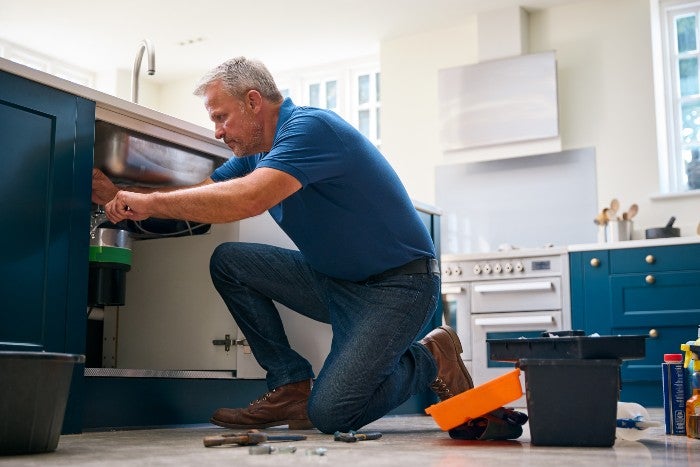
No modern kitchen is complete without garbage disposal. This small but mighty appliance grinds up food scraps to keep your kitchen sink flowing smoothly. When something goes wrong with the unit, dinner prep comes to a grinding halt. Pay attention to small warning signs and schedule garbage disposal repair promptly to lower the risk of expensive plumbing repairs later.
Common Garbage Disposal Problems
Most garbage disposal issues are apparent as soon as you turn on the unit or examine it more closely. Here are some of the most common signs that you need garbage disposal repair service:
- Loud humming with no grinding: If your disposal hums but nothing happens, something is probably jamming the unit and preventing the motor from spinning.
- Loud rattling or grinding noises: Garbage disposals aren’t silent, but harsh metal-on-metal sounds should grab your attention. This usually means something like a utensil, bottle cap, or other hard object has made its way down the drain.
- The disposal suddenly stops working: Sometimes the unit shuts off in the middle of use and won’t turn back on. This often happens when the motor overheats or the disposal gets overloaded with food waste.
- Poor grinding performance: If foul odors linger near the sink, or water continues to drain slowly after running the disposal, chunks of food could be getting left behind. Older units often struggle to break down food efficiently, which leads to buildup in the grinding chamber.
- Leaks under the sink: Do you see standing water or signs of water damage under the kitchen sink? This could indicate loose connections, worn seals, or cracks in the disposal itself.
How to Repair a Garbage Disposal
Before calling a professional for garbage disposal repair, try these DIY troubleshooting tips:
- Press the reset button: Most garbage disposals have a reset button on the bottom of the unit. If the disposal suddenly stops working, try pressing this button to restore power.
- Check for jams: Unplug the disposal or turn it off at the breaker panel. Then, shine a flashlight down the drain and pull out any foreign objects you see in the grinding chamber with tongs or pliers. Restore power and try running the unit again.
- Loosen stubborn jams with an Allen wrench: If the disposal hums but won’t spin, this step may help. First, unplug the unit. Then, insert an Allen wrench into the hex hole on the bottom of the disposal. Rotate the wrench back and forth to help free up whatever is stuck inside. Restore power and try running the unit again.
- Inspect for loose connections: Before assuming you need leaking garbage disposal repair, check the unit’s drain lines and mounting connections. Tightening these fittings may be all that’s needed to eliminate dripping under the kitchen sink.
Benefits of Professional Garbage Disposal Repair
If your DIY attempts don’t solve the issue, it’s time to call Ace’s Appliance Repair for professional garbage disposal repair in Keller, TX. Here’s why homeowners trust our team for a job well done:
- Accurate diagnosis: Some disposal issues look simple but stem from hidden plumbing or electrical problems. Our technicians inspect your full system to identify the underlying cause.
- Fast, safe repairs: Garbage disposals combine sharp components, electrical wiring, and plumbing connections in one compact device. We complete repairs safely to reduce the risk of injury or property damage.
- Prevention of future plumbing problems: Prompt garbage disposal repair reduces the chances of clogged drains, backed-up sinks, pipe damage, and water leaks.
- Advanced repair techniques: Our team uses proven techniques and professional-grade equipment to resolve disposal problems quickly and thoroughly.
- Reliable performance: A professionally repaired garbage disposal reduces the chance of repeat breakdowns. We back every repair with a one-year parts and labor warranty for peace of mind that the repair will last.
- Longer appliance lifespan: Timely repairs reduce wear and tear on the disposal motor and internal components. During our visit, we can also advise you on proper use techniques, such as running the water while operating the disposal and being mindful of what you put down the drain.
Schedule Professional Garbage Disposal Repair Today
Failing garbage disposal slows down your kitchen routine, and waiting too long to act may lead to clogs, leaks, and more expensive repairs. Luckily, Ace’s Appliance Repair is here to help. We have over 20 years of experience providing appliance repair services in Keller, TX and the greater Tarrant County area. Our locally owned and operated company has certified appliance repair technicians on staff, with quick response times and the best tools in the industry to get your appliances working again. For dependable garbage disposal repair in Keller, TX, please contact us today.
-
DIY vs. Expert Kitchen Appliance Repair: When to Bring in a Professional
When to Choose DIY vs. Professional Kitchen Appliance Repair
When one of your kitchen appliances stops working, your first thought might be to grab a screwdriver and look up a quick online tutorial. Sometimes that approach works out, but other times, a botched repair triggers a more expensive problem. The truth is, some kitchen appliance repairs make sense for a handy homeowner, while others call for a trained technician. Knowing the difference can save you time, frustration, and money.
Kitchen Appliances That Often Need Repair
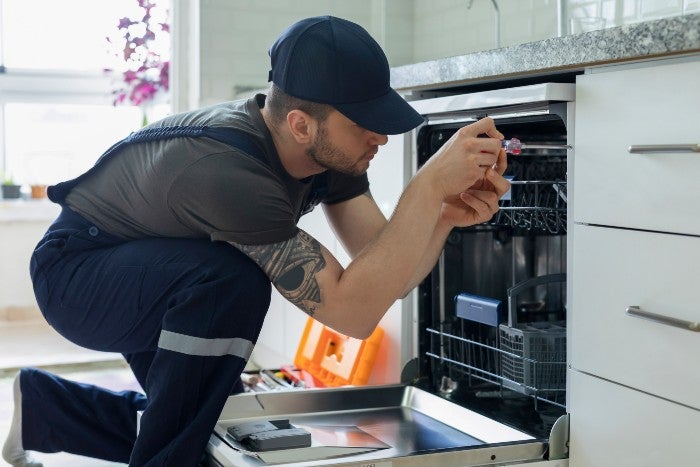
Most homeowners deal with appliance trouble at least once. Here are some of the most common large and small kitchen appliance repairs:
- Refrigerators: Trouble cooling, leaking water, loud noises, broken ice maker
- Dishwashers: Drainage issues, standing water, poor cleaning performance, door latch problems
- Ovens and ranges: Uneven heating, faulty burners, broken igniters, temperature control issues
- Microwaves: Turntable failures, sparking, broken door switches, heating problems
- Garbage disposals: Jams, leaks, strange noises, motor failure
- Kitchen-Aid mixers and other small appliances: Worn gears, overheating motors, broken switches, power issues
Benefits of DIY Appliance Repair
There are certainly situations where tackling an appliance repair yourself makes sense. If you’re comfortable doing some basic troubleshooting, you may be able to fix small issues with a few tools and a little patience. If the DIY repair goes smoothly, you may:
- Save money upfront
- Fix the problem faster
- Avoid having to schedule a service appointment
- Work on the appliance when it’s convenient for you
- Gain a better understanding of how your appliance works
Risks and Limitations of DIY Repairs
While DIY appliance repairs are often worth trying, they don’t always solve the problem the way you hoped. Before moving beyond basic troubleshooting, it’s important to consider these potential risks:
- Exposing yourself to electrical shock hazards, water damage, or natural gas leaks
- Causing irreversible damage to sensitive electronic components
- Diagnosing the issue incorrectly
- Ordering the wrong replacement parts
- Voiding the manufacturer’s warranty
- Hurting yourself attempting to move heavy appliances
- Spending hours on repairs that still don’t solve the problem
- Creating larger and more expensive repairs later
When DIY Repairs Are Safe and Practical
Despite the risks and limitations, there are still plenty of situations where you can handle repairs and maintenance tasks yourself. Here’s when DIY repairs are typically safe and practical:
- The appliance simply needs cleaning
- You’re replacing an easily accessible part or filter
- The issue involves a loose connection or a clogged drain
- All you need to do is reset a tripped breaker or GFCI outlet
- No gas lines or electrical wiring are involved
- The repair only requires basic tools
- The appliance manual clearly explains how to troubleshoot the problem, and you feel comfortable following those steps
Signs You Should Call a Professional
DIY repairs are fine for small issues, but it’s important to know your limits. If you ever feel in over your head or notice any of the following warning signs, it’s time to call an experienced appliance repair technician in Keller, TX:
- Burning smells or sparks: Kitchen electrical appliance repairs present serious safety risks. To avoid damaging your home’s wiring, shocking yourself, or creating a fire hazard, it’s best to leave electrical problems to the pros.
- Gas appliance problems: Fixing a gas oven or range requires special training. Even a small gas leak could pose a danger to your household.
- The appliance stops working altogether: A complete breakdown suggests an internal electrical or mechanical failure that requires professional diagnostic tools.
- Online tutorials feel incomplete: Many newer appliances rely on digital control boards, sensors, and advanced wiring. Videos posted online rarely show the full process or the complications that may arise during a repair.
- You already tried fixing it without success: If your first attempt doesn’t solve the problem, the underlying issue could be more complicated than you think. Continuing to troubleshoot might only make things worse.
- The repair involves one of the “big three”: Refrigerator, dishwasher, and oven/range repairs are usually best left to a trained technician. These appliances involve complex electrical components, water or gas connections, and refrigerants, all of which require professional diagnostics and specialized tools to fix safely and properly.
- The appliance is still under warranty: Many manufacturers require repairs to be completed by authorized technicians. Taking a DIY approach may void the warranty and leave you with a much larger repair bill later.
Schedule Reliable Kitchen Appliance Repairs Today
When it’s clear that basic troubleshooting isn’t working, Ace’s Appliance Repair is here to help. Our locally owned team has served Tarrant County for over two decades. Over the years, we have earned a reputation for quick response times and reliable repairs that last. Turn to us for everything from a finicky refrigerator or broken dishwasher to countertop Kitchen-Aid appliance repair. For your peace of mind, we offer a one-year parts and labor warranty on everything we do. For kitchen appliance repair in Keller, TX or the surrounding area, please contact us today.
-
Safety Guide for Vintage Appliances
Inspecting & Using Vintage Appliances Safely
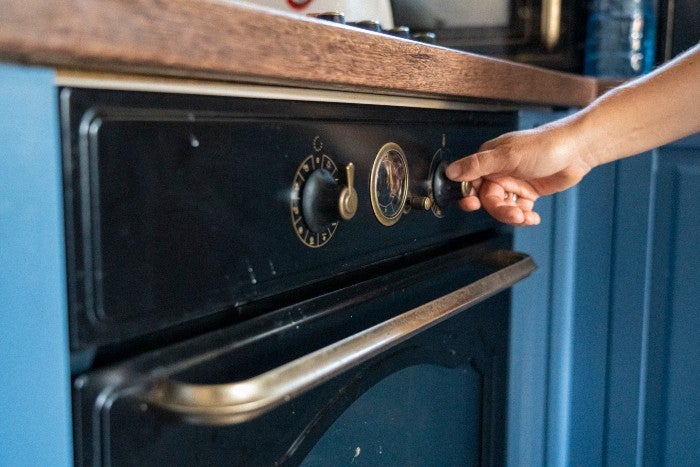
There’s something satisfying about using appliances with personality. A retro stand mixer, an old-school refrigerator, or a classic range gives your kitchen a unique look that newer models can’t replicate. Many homeowners hold onto their vintage kitchen appliances—or invest in them during renovations—because they add character to the space. Still, older machines sometimes pose safety concerns that deserve a closer look. A little caution before plugging them in or cleaning them can keep your appliances running safely for many years.
Common Safety Risks Associated with Vintage Appliances
Appliance parts wear down after decades of use, and some materials that were the norm years ago no longer meet safety standards. Here are some specific issues to pay attention to:
- Frayed or cracked power cords: Older refrigerators, stand mixers, and toasters often have brittle wiring insulation that exposes wires and raises the risk of electric shock or fire. Replace damaged wiring immediately and avoid using extension cords as a permanent solution.
- Ungrounded electrical systems: Many vintage-style kitchen appliances use two-prong plugs. Without proper grounding, the appliance may become unsafe during power surges or electrical faults.
- Overheating motors: Vintage blenders, food processors, and stand mixers may overheat after extended use because their motors have worn out. To reduce the need for vintage small appliance repair, give them time to cool between uses and unplug them immediately if you notice a burning smell.
- Gas leaks: Vintage gas stoves and ovens may have worn seals or loose fittings. If you smell gas, stop using the appliance and evacuate your home. Schedule vintage appliance repair before using the stove or oven again.
- Outdated internal parts: Some vintage home appliances contain aging insulation, switches, or connectors that no longer perform safely. Professional inspections identify parts that need to be replaced.
- Overloaded circuits: Many older appliances draw more power than modern energy-efficient models. Plugging multiple high-powered vintage appliances into the same outlet may overload the circuit, causing the breaker to trip. To avoid this, spread appliances across different outlets and circuits.
Inspection Checklist Before Using a Vintage Appliance
Inspect vintage appliances upon installation and at least once a year after that. Each inspection should follow this checklist:
- Check the power cord for cracks, exposed wires, or discoloration.
- Inspect plugs and outlets for loose connections or scorch marks.
- Look for moisture damage to electrical components. Rust near switches, burners, or internal compartments deserves attention.
- Check gas fittings and connections for leaks or cracking.
- Make sure aftermarket parts fit properly and perform as intended.
- Check for loose handles, knobs, and hinges, which may affect operation or expose internal components.
- Listen for unusual sounds. Grinding, buzzing, or rattling noises may signal internal wear.
- Pay attention to burning odors. Unplug the appliance immediately if you notice unusual smells during operation.
- Test the temperature control of vintage ovens, refrigerators, and freezers with a thermometer to verify proper operation.
- Check for dust buildup on refrigerator coils. Vacuum regularly to improve heat transfer.
DIY Maintenance vs. Professional Restoration
Basic inspections and cleaning keep many vintage home appliances in good shape. Some homeowners also replace simple exterior parts, such as knobs or trays, to alter the appearance or improve functionality. DIY upkeep saves money and keeps your appliances looking good between service appointments.
Still, DIY work has its limits. Internal wiring, gas lines, and motors require proper training and specialized tools to repair and replace. Because many vintage appliances were built before modern electrical standards, even a small mistake could create safety hazards that aren’t immediately apparent.
Professional restoration gives older appliances a safer second life. Experienced technicians inspect wiring, identify hidden issues, replace worn parts, and test performance before returning them to regular use. Professional service also reduces the risk of breakdowns, overheating, and electrical issues going forward. In short, investing in proper restoration keeps vintage appliances operating safely and dependably for years to come.
Keep Your Vintage Appliances Running Smoothly
Vintage appliances deserve the same level of care as any major home investment. Regular inspections, safe operating habits, and professional maintenance set them up for a more reliable future. Ace’s Appliance Repair is the right contractor for the job. Our certified technicians stay current with training and the latest best practices to service nearly any appliance make, model, or year.
We also offer maintenance plans for homeowners who want ongoing protection. Members receive annual appliance cleaning and maintenance, preferred scheduling, half-price repairs, and other benefits. There’s no better time to secure your peace of mind and ensure years of trouble-free service than when installing “new” vintage kitchen appliances. Contact us today to schedule professional appliance maintenance or restoration in Keller, TX or the greater Tarrant County area.
-
Why Professional Service Saves You Money in the Long Run
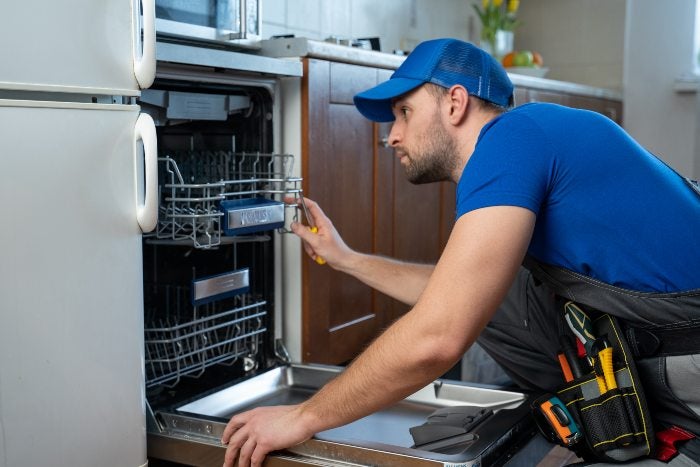
Saving Money with Professional Appliance Repair
An unexpected appliance hiccup pauses your weekly plans. Choosing professional appliance repair in Keller, TX from Ace’s Appliance Repair protects your budget and your peace of mind. Our experienced team quickly finds the root cause of your appliance repair problems. We will bring the right tools to get your appliances working perfectly again. Fixing machines right the first time guarantees smooth daily operations. Following sustainable practices starts with keeping your current machines running efficiently, with the help of an expert.
The True Cost of DIY Appliance Repairs
Watching a quick online video makes fixing a dishwasher look incredibly easy, and you might feel tempted to grab your toolbox and try a quick fix. However, modern machines contain complex computer boards and delicate sensors. Finding the exact right part requires specific industry knowledge, and a simple misstep complicates the internal mechanical systems. Hiring a professional appliance repair technician ensures the job gets done correctly and keeps perfectly usable appliances out of the local landfill.
How Professional Appliance Repair Saves You Money
Trusting an expert delivers immediate value to your household budget. Our team provides reliable appliance repair services that maximize the efficiency of your machines:
- Accurate Diagnostics – Technicians pinpoint the exact issue on the first visit and secure the correct parts immediately.
- Energy Efficiency – Well-maintained machines use far less electricity and water, helping to lower your monthly utility bills.
- Extended Lifespan – Regular maintenance adds years to your favorite machines. Helping you delay the massive expense of buying brand-new units.
Safety and Liability Protection
Home appliances use high-voltage electricity and pull heavy water loads. Handling these powerful systems requires proper training and specialized safety equipment. Our licensed and insured staff handles every technical challenge with absolute precision. We strictly follow all local electrical and safety codes. This dedicated approach protects your family and your valuable property. You can relax knowing trained experts manage the heavy lifting safely. Our professional team promises to treat your home with total respect.
Appliances That Benefit Most from Pro Repair
Every machine in your home features unique technology and specific maintenance needs. We service all major household units across the greater Tarrant County area:
- Kitchen Refrigerators – Expert care keeps your compressor running quietly and efficiently. You keep your groceries fresh during the summer months with an expertly repaired refrigerator.
- Washing Machines – Technicians easily balance heavy drums and clear clogged water pumps. Your clothes come out perfectly clean and entirely undamaged.
- Cooking Stoves – Precise calibration ensures even heating across all cooking burners. You prepare delicious and safe meals for your whole family.
- Dishwashing Machines – Professional cleaning removes deep mineral buildup from internal hoses, helping your dishes sparkle without using extra hot water.
Why Choosing the Right Appliance Repair Technician Matters
Finding a dependable team transforms a sudden breakdown into a simple bump in the road. You deserve prompt service and complete transparency:
- Local Experience – We have proudly served our community for over two decades. Our team understands the specific needs of local homeowners.
- Continuous Training – Our staff studies the latest technological advancements in the industry. We confidently fix any make or model you own.
- Prepared Arrivals – Technicians arrive with fully stocked trucks ready for work. We finish most jobs on a single seamless visit.
- Valuable Discounts – We offer special coupons to lower your final bill. You receive premium service at a highly competitive price.
Schedule Your Expert Repair Service Today
Keeping your household running perfectly requires a trusted local partner. We handle the detailed technical work so you can focus on enjoying your free time. Fixing your current machines supports a highly sustainable lifestyle and protects our local environment. Our dedicated team proudly delivers fast turnaround times and incredibly friendly customer service. You deserve reliable solutions that stand the test of time. Call us today to schedule your next service appointment. We look forward to making your daily household chores a breeze.
-
Appliance Repair: How to Spot Problems Before They Get Worse
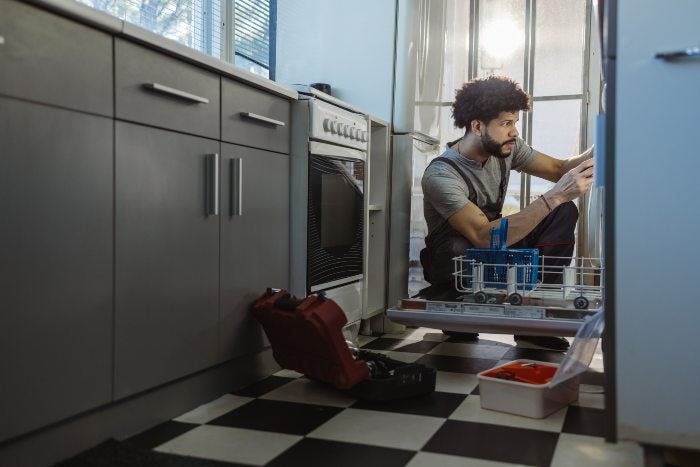
When Do I Need Appliance Repair Services?
Recognizing early warning signs of damage to your home appliances is key to helping you tackle minor issues before they turn into major breakdowns. Getting timely appliance repair services in Keller, TX, from Ace’s Appliance Repair saves you money, protects your home, and keeps your life running smoothly. We handle everything from refrigerators to washing machines across a wide range of makes and models. Let us help you identify appliance problems early so you can enjoy total peace of mind.
Common Warning Signs to Watch For
Catching small quirks early prevents total appliance failure. Watch your daily machines closely for these indicators of trouble:
- Strange Noises – Loud clanking or grinding sounds point to loose internal parts. You’ll need a reliable home appliance repair expert to make sure all parts are working optimally.
- Water Leaks – Puddles around your dishwasher waste precious water. Fixing these leaks promptly protects your floors from permanent water damage.
- Odd Smells – Burning odors often indicate electrical issues or failing motors. Shut the machine off immediately to prevent a dangerous house fire.
Simple Checks Homeowners Can Perform
You can safely investigate minor issues without special tools. A few basic checks might reveal a surprisingly simple fix:
- Power Supply – Verify the machine is securely plugged into the wall outlet. Check your circuit breaker panel to see if there are any tripped switches.
- Door Seals – Inspect the rubber gaskets on your refrigerator and oven. Dirty or torn seals waste energy by letting air escape, impacting the ability of these appliances to keep food cold (or heat them up effectively).
- Filter Cleaning – Remove lint from your dryer and debris from your dishwasher. Clean filters help your devices run efficiently and sustainably and keep your clothes fresh.
Problems Homeowners Should Not Ignore
Certain issues require immediate professional attention to keep your home safe. Ignoring these specific problems often leads to permanent equipment damage:
- Electrical Sparks – Visible sparks or mild shocks mean dangerous electrical faults exist. Unplug the unit right away and call a professional.
- Gas Odors – A sulfur or rotten egg smell near your stove requires extreme caution. Open your windows and contact emergency services or a technician immediately.
- Complete Power Failure – A machine that refuses to turn on entirely needs an expert diagnosis. You likely need professional support to replace the main control board.
The Benefits of Professional Appliance Inspection
Regular professional checkups extend the lifespan of your household machines in a lot of ways. An expert appliance repair technician can easily spot hidden wear and tear. It’s important to know that fixing small defects early can lower your monthly energy bills, as a well-maintained refrigerator or stove performs better and uses less electricity. A well-maintained appliance helps you avoid the high cost and environmental impact of buying brand-new replacements. Plus, professional maintenance keeps your home running safely and efficiently year-round, ensuring your daily chores remain hassle-free.
Tips To Prevent Appliance Problems
Routine care keeps your machines working smoothly for decades. You can easily adopt these simple maintenance habits today:
- Regular Cleaning – Wipe down oven interiors and refrigerator coils every few months. This simple step improves energy efficiency and prevents overheating.
- Load Balancing – Distribute clothes evenly in your washing machine to avoid violent shaking. Proper loading protects the internal suspension springs from snapping.
- Proper Usage – Read the manufacturer’s manual to understand the specific limits of your machine. Using the correct detergent and settings prevents unnecessary strain on the appliance’s motor.
- Arrange a Maintenance Plan – Our appliance maintenance plans can help you keep on top of your appliance’s regular care and cleanings, with preferred scheduling and rates.
When Call a Professional Appliance Repair Technician
Sometimes basic troubleshooting hits a dead end. You need to know exactly when to hand the job over to the experts. Reach out to our professional, experienced team if you find these issues cropping up:
- Persistent Leaks – Water continuing to pool after you clear the drain requires professional tools. Our commercial appliance repair experience helps us solve stubborn leaks fast.
- Strange Error Codes – Blinking lights and mysterious digital codes indicate complex computer board failures. Technicians carry the right diagnostic tools to translate and fix these errors.
- Loud Grinding – Metal-on-metal noises usually mean a critical internal part has shattered. A trained pro can replace the broken piece safely.
Trust Ace’s Appliance Repair for Help
Your household machines make daily life incredibly convenient. Experiencing a sudden breakdown causes unnecessary stress and disrupts your routine. Ace’s Appliance Repair proudly serves the greater Tarrant County area with honest and reliable service. We bring over 20 years of experience to every single job, and our fully licensed and insured team fixes all manners of makes and models quickly. Call us today to schedule your service and get your appliances running perfectly again.
-
How Appliances Can Lead to Water Damage and Mold
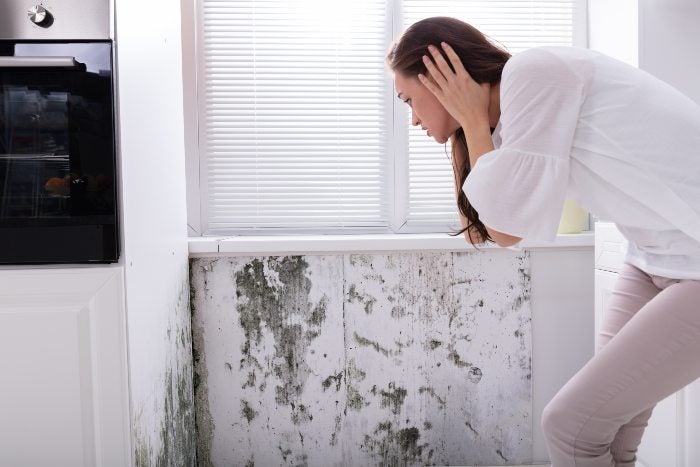
The Risks of Water and Mold Damage with Appliances
Household appliances make daily life easier and help conserve valuable energy resources. A small leak from a dishwasher wastes gallons of water over time. This wasted water often leads to unwanted moisture buildup in your home. To prevent water and mold damage, Keller, TX homeowners trust Ace’s Appliance Repair for fast service. Finding leaks early protects your property and promotes a greener living environment. Trust us to help you spot issues and keep your machines running perfectly.
How Water Damage and Mold Are Connected
Excess moisture creates the perfect environment for spores to grow inside your home. A tiny puddle behind a refrigerator provides all the hydration these organisms need to thrive. The spores multiply rapidly on wet drywall and flooring materials. Treating a leak immediately stops this growth cycle. A fast repair of home appliances conserves water and protects your indoor air quality. Keeping your home completely dry ensures a healthy living space for your family.
Common Appliances That Cause Water Damage
Many modern household machines use continuous water supplies to operate efficiently. These specific machines require regular maintenance to prevent unexpected leaks:
- Washing Machines – Rubber supply hoses wear down over years of heavy use. You can replace these hoses with braided steel lines for better durability.
- Dishwashers – Door seals lose their flexibility and allow soapy water to escape. A simple gasket replacement keeps the water inside the machine, ensuring a well-functioning dishwasher.
- Refrigerators – Ice maker lines clog or freeze during normal operation. Regularly clearing these lines prevents water from pooling beneath the unit.
Early Signs of Appliance-Related Water Damage
Catching a water leak early saves money and protects the environment from wasted resources. You can watch for a few simple clues around your household machines:
- Peeling Paint – Moisture inside the walls causes paint to bubble and flake off. You might notice this issue behind your washing machine.
- Warped Floorboards – Wood floors swell up when they absorb standing water. The floor may feel spongy or look uneven near your dishwasher.
- Musty Odors – A persistent earthy smell indicates hidden moisture trapped under your cabinets. Finding the source helps you stop the leak quickly.
How Mold Can Develop from Appliance Leaks
A steady drip from a washing machine hose creates a permanent puddle on the floor. Fungi spores float through the air and land on this damp surface. These tiny organisms consume the surrounding building materials to generate energy and spread. The growth expands across baseboards within just two days of a leak. Stopping the drip immediately starves the organisms of hydration. Routine appliance repair services keep your floors dry and stop this fast-spreading growth. You protect your home by fixing leaks early.
Health Risks of Mold in the Home
Keeping your indoor air clean promotes a healthy lifestyle for your entire family. You can avoid many physical irritations by maintaining a dry living space:
- Allergy Symptoms – Airborne spores trigger sneezing and itchy eyes in sensitive individuals. Removing the moisture source clears the air and improves your daily comfort.
- Skin Irritation – Touching damp surfaces can cause rashes on your hands. Wearing gloves and cleaning the area keeps your skin perfectly safe.
- Breathing Issues – A humid environment makes breathing difficult for people with asthma. You can improve your indoor air quality by repairing leaky machines promptly.
How to Prevent Appliance-Related Water Damage
Proper maintenance extends the lifespan of your machines and reduces environmental waste. You can follow these easy steps to keep your home completely dry:
- Inspect Hoses – Look at the water lines behind your washing machine every few months. You should replace any hoses that show visible cracks or bulges.
- Clean Seals – Wipe down the rubber gaskets on your dishwasher doors weekly. Removing food particles keeps the seals tight and prevents water from escaping.
- Schedule Maintenance – Professional appliance maintenance technicians can spot minor wear and tear before it becomes a major leak. You can rely on our commercial appliance repair for your business needs too.
Protect Your Home with Ace’s Today
Maintaining your household machines ensures they run sustainably for many years. You can easily avoid expensive structural repairs by catching minor drips early. Keeping your living space dry protects your family and conserves vital community water resources. If you suspect a leak, you need a trusted appliance repair expert to fix the problem fast. We gladly provide water damage and mold inspection advice while repairing your machines. Call Ace’s Appliance Repair today to schedule your fast and reliable service appointment.
-
Key Appliance Trends Shaping Kitchens and Utility Rooms in 2026
Spring is the Best Time for Fridge Maintenance
Spring renewal is the perfect time to give your home appliances a fresh start after a busy winter. You can easily schedule various services, including fridge maintenance, in Keller, TX with Ace’s Appliance Repair to ensure your kitchen stays cool all summer. Performing a tune-up now helps your appliances run with peak efficiency when you need them most. Regular service keeps your household routine moving smoothly and prevents minor issues from becoming large ones. Taking care of your equipment today ensures your laundry room and kitchen stay in top shape.

Why Maintenance Matters for Your Home
Regular maintenance keep your appliances running longer and help you avoid sudden breakdowns. When machines are clean and well-tuned, they use less energy, which lowers your monthly utility bills. Checking your equipment also keeps your home safer from leaks or electrical issues. From fridge maintenance to oven repairs, consistent care saves you money and provides peace of mind. Here are some of the top benefits of keeping your appliances in great shape:
Refrigerator & Freezer Maintenance
- Cleaning condenser coils is a vital part of fridge maintenance to improve cooling efficiency and keep food fresh.
- Inspect door seals to ensure they block warm air, preventing the unit from working too hard.
- Always defrost the freezer when you see ice buildup, as this improves airflow and gives you more storage space.
Oven & Stove Maintenance
- Removing grease buildup from your oven interior is a simple oven repair that prevents smoke and bad smells when cooking.
- Checking that burner elements are working properly ensures your food cooks evenly every time.
- Performing vent hood repairs by washing the filters to improve your kitchen’s air quality.
Dishwasher Appliance Maintenance
- Clearing the spray arms of any blockage helps water reach every dish, ensuring a sparkling clean finish.
- Regular examination of the door gaskets is a simple form of dishwasher repair that stops water from leaking onto your floor.
- Running a cleaning cycle with vinegar will eliminate odors and mineral deposits, resulting in better overall hygiene.
Prevent Fire Hazards with Proper Dryer Vent Care
Regular maintenance keeps your dryer safe and efficient. Over time, lint builds inside the vents and pipes. This material is a serious fire hazard because it catches fire easily. Blocked vents also force your machine to work harder, wasting energy and prolonging the time it takes for clothes to dry. To prevent problems, clear out the lint often and check hoses for cracks or leaks. Proper airflow lowers your power bills and protects your home. Sometimes, a professional vent installation is the best way to ensure hot air escapes safely.
Prepare Your AC for Summer with Spring System Checks
Your heating and cooling system works hard all year. Spring is the perfect time to check your filters and ductwork. Clean filters trap dust and pollen, helping everyone breathe easier and letting air move freely. You should also check your ducts for leaks that waste money and make rooms uncomfortable. Professional cleaning and tune-ups prepare your AC for summer heat. We handle various ventilation needs, including tasks like dryer vent installation, to ensure your entire home has proper airflow and stays healthy and comfortable.
Practical Tips for Better Energy Efficiency
Saving energy is a major goal for many homeowners today. You can lower your utility bills and help the planet by keeping your appliances in great shape. When machines like your fridge or dryer are dirty, they work much harder and use more electricity. Regular maintenance prevents these problems and stops expensive repairs before they start. Our team helps you optimize performance to ensure your home stays comfortable and efficient:
- Checking seals and coils ensures your appliances run efficiently, preventing power waste. Refrigerator door gaskets must stay tight to stop cold air leaks.
- Cleaning appliance components reduces strain on motors and saves energy. Dust buildup on your freezer forces the motor to work harder than necessary.
- Operating appliances properly helps lower energy bills and supports the environment. Adjusting settings can make a big difference in energy use.
- Setting your water heater’s thermostat to medium prevents unnecessary energy use and keeps heating costs under control.
When Should I Call a Professional?
While many home maintenance tasks are easy to do for yourself, some repairs require a professional hand. If you hear loud noises from your laundry room or see water pooling on the floor, it is time to call for help. Electrical issues and cooling gases can be dangerous to handle without the right tools and training. A technician can fix small glitches before they become expensive disasters. Contact Ace’s Appliance Repairs for your local service needs. We ensure your home runs safely so you can relax and stay on track.
-
Key Appliance Trends Shaping Kitchens and Utility Rooms in 2026
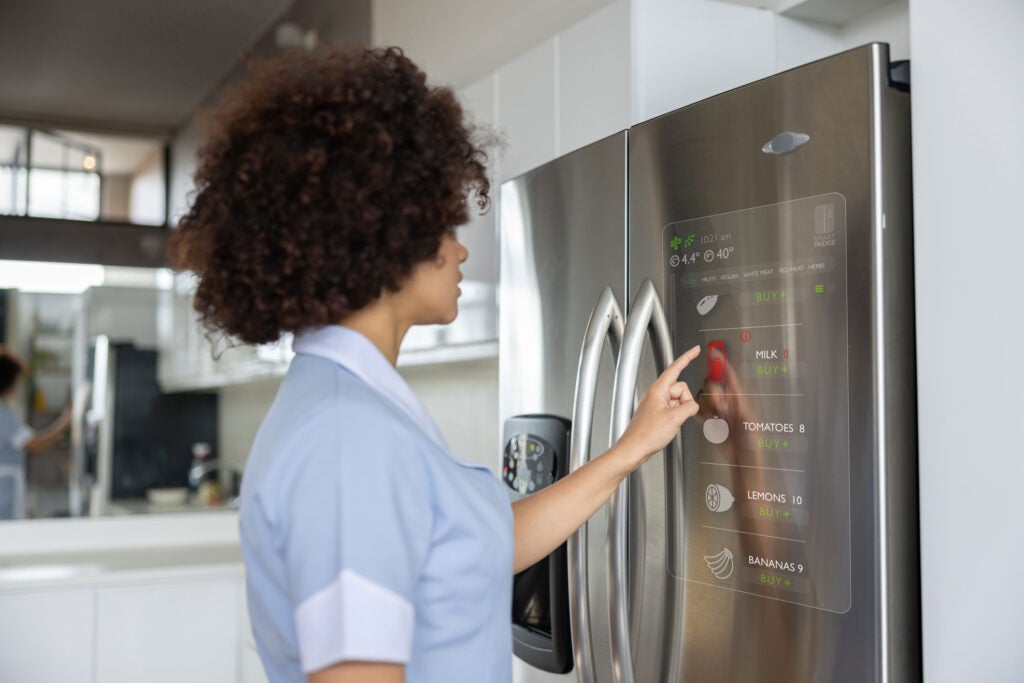
Modern Appliance Trends to Enhance Keller, TX Households
Kitchens and utility rooms are evolving into connected spaces that prioritize health, convenience, and style. Appliance trends in Keller, TX highlight a shift toward sustainability and autonomy, with advanced features that make daily tasks easier. Ace’s Appliance Repair sees this transformation daily, with smart refrigerators tracking nutrition, ovens ensuring perfect meals, and washers reducing water use while dryers sense moisture levels. These innovations bring efficiency and elegance to every home, saving time and energy while creating a seamless, enjoyable experience that enhances your daily life.
Smart Appliances to Streamline Your Daily Chores
The latest appliance industry trends are making kitchen work easier than ever. New trending kitchen appliances uses artificial intelligence to handle the hard parts of cooking and cleaning. Smart ovens recognize ingredients to set the right temperature, while refrigerators track groceries and suggest meals. These devices work together to keep your home running smoothly and can be controlled with your voice or simple hand gestures. Plus, many new units hide behind cabinet panels, creating a calm, clutter-free space for your family to enjoy.
Making Cooking Safer and More Efficient with New Tech
Cooking is getting smarter and safer with new technology. Induction stoves are growing in popularity, and now smart cookware pairs directly with them to guide you step by step through recipes. These pans use sensors to control heat, ensure perfect results, and reduce the risk of burning food. That same technology is making its way to outdoor grills and barbecue grills, bringing precise heat control for outdoor cooking. Even gas appliances are becoming more efficient, thanks to sensors that save energy, making cooking easier and safer for everyone.
Create Cozy, Functional Kitchens for the Whole Family
Modern kitchens have become the heart of the home, where friends and family gather to cook, eat, and share stories. Open floor plans and smart designs make it easy to move between cooking and dining areas, creating a versatile space for parties, homework, gatherings, and quiet moments. Appliance industry trends show homeowners want hidden prep zones and clutter-free layouts to keep kitchens looking tidy. Here are the top features driving these popular kitchen trends:
- Invisible appliances make the space feel more like a cozy living area rather than a traditional, cluttered workspace.
- Secondary prep areas provide extra space for cooking, making it easier for multiple people to work together.
- Open floor plans eliminate walls, creating a seamless flow for family and guests to mingle easily during gatherings.
- Special storage spaces keep clutter hidden, while integrated cabinets conceal bulky tools, giving the kitchen a clean, inviting, and den-like feel.
The Rise of Nature in Modern Kitchens
Home design is warming up for 2026. Kitchens are moving away from cold, industrial styles and toward cozy, nature-inspired looks. You will see more honey-toned woods, sandy colors, and soft neutrals on cabinets and counters. These earthy textures and matte finishes create a sense of calm in the heart of your home. Using natural materials like stone and timber makes the space feel like a peaceful retreat. This fresh style focuses on wellness, turning your busy kitchen into a quiet, inviting sanctuary for everyone.
The Modern Homeowner’s Guide to Green Living
Modern homeowners now prioritize their health and the environment. Many are choosing energy-efficient appliances that reduce waste and save power. At the same time, healthy cooking methods and clean water have become essential for a well-focused lifestyle. The shift toward greener living helps families create a safer, more sustainable home while protecting the planet. Every small change in the kitchen has a big impact. Here are a few ways you can build an eco-friendlier kitchen:
- Many shoppers prefer appliances made from recycled materials that use less electricity, helping to reduce energy consumption during use.
- Recycled materials create durable counters and cabinets, providing a sustainable option without cutting down more trees.
- Built-in water filters in faucets offer clean, safe drinking water by removing harmful chemicals, ensuring every glass is pure and fresh.
- Induction cooktops provide precise cooking while minimizing heat and energy waste, making them an eco-friendly choice for modern kitchens.
- Smart ventilation fans remove smoke and grease from your air, helping to keep your home’s indoor environment clean and breathable.
Creating Accessible Homes for Every Generation
Homes should be safe and easy for everyone, no matter their age or ability. Modern designs and technology make this possible, helping people live independently for longer. A General Electric dryer, for example, uses adaptive drum movements to gently care for clothes, while voice controls make operating appliances easier for those who find buttons difficult to use. Automated features reduce lifting and bending during chores, and clear interfaces simplify complex settings. Plus, accessible appliances are easier to maintain, ensuring quick refrigerator or oven repair and keeping everything running smoothly.
Upgrade Your Home, Upgrade Your Life
The kitchen of 2026 combines the best technology and design, creating a space that is beautiful, sustainable, and easy for everyone to use. Smart, quiet appliances will work in the background to support a healthier lifestyle, giving you more free time. These changes improve your daily well-being and simplify your home life. Ace’s Appliance Repair team provides expert support to keep your high-tech systems running perfectly. Contact us today To see how we can assist with all your repair and maintenance needs.
-
Useful New Year’s Resolutions for Appliances
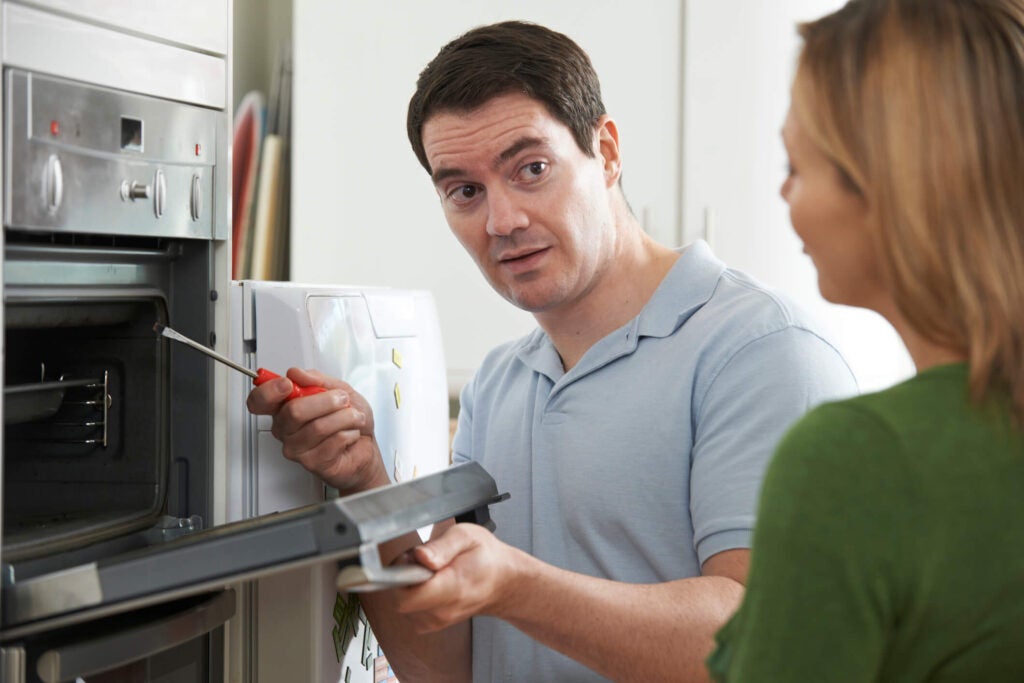
The New Year brings a fresh start for you and your home. Many use this season to improve their daily habits and reduce avoidable stress. That’s why Ace’s Appliance Repair helps you keep those resolutions with quality oven and range repair and more in Keller, TX. Routine care for your machines keeps your home productive year-round, improving the efficiency of your appliances and lowering your monthly energy bill. Acting now reduces future repair costs and extends your equipment lifespan. Focus on these simple resolutions to keep your home running smoothly all year long.
The Value of Regular Appliance Checks
Checking your appliances often is the best way to catch small issues before they turn into major breakdowns. Start by inspecting the door seals in your fridge and oven to keep energy from escaping. You should also clean filters and clear out vents to prevent motors from overheating and breaking down. These quick checks only take a few minutes but can save you thousands of repair costs. By staying consistent with appliance inspections, you ensure your home runs smoothly, and your equipment lasts for years.
How Regular Cleaning Prevents Costly Kitchen Repairs
Keeping your appliances clean helps them work their best. Dirt and grease build up over time, putting stress on internal parts. It creates bad smells and wastes energy. For example, you can avoid microwave oven repairs by wiping up spills right away. A clean machine uses less power and runs quieter. Regular cleaning also clears out blockages in water lines or vents. Your food tastes better when prepared on a clean surface. You might even prevent the need for repairs, such as range top repairs, later. Good hygiene makes your kitchen a healthier place for your family.
Save Money and Prevent Breakdowns with Simple Habits
January is the perfect time to show your appliances some love. Taking care of your machines now prevents expensive breakdowns and keeps your utility bills low. Simple habits like clearing dryer lint or rinsing plates help you avoid unexpected repair costs. When your appliances are clean, they run better and last longer. Focus on these small steps to keep your home running smoothly all year. Here are the best ways to maintain your essential household items:
- Organize and clean out your fridge – Remove old items and rearrange shelves to improve airflow. Poor airflow overworks the motor, leading to potential damage and higher energy costs.
- Change your fridge water filter – Replace the filter regularly to keep the water clean and fresh. Old filters reduce flow and can cause bad smells or other internal system issues.
- Self-clean your oven – Use the self-clean cycle or scrub manually to remove grease and burnt-on food. This helps prevent smoke, uneven cooking, and oven and range repair.
- Clean the door caskets of your dishwasher – Dirty seals can lead to water leaks and poor cleaning performance. Wiping them regularly prevents messes and costly dishwasher repairs.
- Don’t leave clothes in the dryer – Leaving damp clothes in the dryer drum can cause mildew and bad odors. Removing laundry promptly keeps your machine fresh and avoids dryer repairs.
- Turn out the pockets of your clothes before washing – Check pockets for coins or keys that could damage the pump or clog the drain. Prevent serious washer repairs with this simple habit.
Invest in Your Home’s Future Today
Small habits can make a big difference in keeping your home running smoothly. Regular care prevents sudden breakdowns, reduces stress, and saves you money on energy bills and repairs. Starts with one or two simple maintenance tasks that fit your schedule, like cleaning appliances or checking filters. Over time, you can add more as the seasons change. These small efforts keep everything working as it should, helping you avoid costly surprises. A well-maintained home is a happy home, so start your routine today for a peaceful, worry-free year ahead. If you need appliance repairs, contact Ace’s Appliance Repair for quick, efficient service when you need it most.
-
Dishwasher Repair: Why Your Dishes Aren’t Coming Out Clean
Dishwasher Repair: Why Your Dishes Aren’t Coming Out Clean
It’s frustrating to open the dishwasher and find spots, food residue, or cloudy film still clinging to what should be clean dishes. Before replacing the appliance or relying on hand-washing everything, it’s important to identify why your dishwasher isn’t performing the way it should. In many cases, the cause is simple and fixable with a few adjustments or minor repairs. At Ace’s Appliance Repair, we’ve worked with homeowners and businesses for over 20 years to solve issues just like this with reliable dishwasher repair service in Keller, TX.
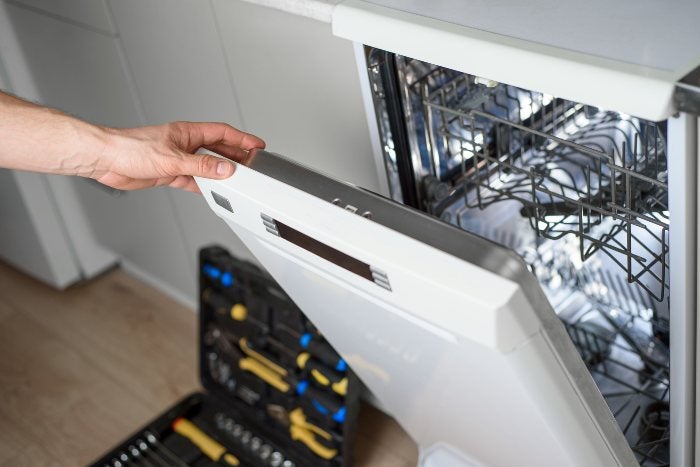
Common Reasons Your Dishwasher Isn’t Cleaning Properly
There are several reasons for your dishwasher may be leaving dishes dirty, even if the cycle appears to complete normally. Some problems are related to water flow or temperature, while others point to mechanical or maintenance issues. Watch for these common causes:
- Clogged spray arms that can’t distribute water evenly
- A dirty or full filter that prevents water from draining
- Low water temperature that fails to dissolve food and detergent
- Detergent buildup in the dispenser or using the wrong type of detergent
- Overloading or improper loading that blocks water from reaching all items
- A worn-out or broken inlet valve that restricts water supply
DIY Fixes Before Calling a technician
While some issues require professional attention, there are a few basic checks you can do on your own before scheduling a dishwasher repair service. These simple steps can improve performance and rule out common issues. Start with the following:
- Clean the spray arms by removing them and rinsing out any debris.
- Check the filter for trapped food particles and rinse it thoroughly.
- Run hot water in the sink before starting a cycle to ensure the dishwasher fills with hot water.
- Use a dishwasher-safe cleaner to remove grease or mineral buildup from the interior.
- Make sure dishes aren’t stacked too close together or blocking the detergent dispenser.
Preventive Maintenance Tips
Regular maintenance goes a long way toward keeping your dishwasher running at full capacity. A well-maintained appliance lasts longer, performs better, and is less likely to need frequent repair. Here are some key habits to incorporate:
- Scrape off large food particles before loading dishes (but avoid pre-rinsing completely).
- Run a monthly cleaning cycle using a dishwasher cleaner or white vinegar.
- Inspect and clean the spray arms every few months.
- Wipe down the door seal and edges to prevent mold and mildew.
- Avoid using too much detergent, especially with soft water.
If your home or business uses a high-capacity unit, preventive care is even more important. We also offer commercial dishwasher repair for restaurants and other facilities with heavy daily use.
When to Seek Professional Help
Even with proper use and maintenance, dishwashers can develop mechanical or electrical problems over time. If you’ve tried all the basic fixes and your dishes still come out dirty, it may be time to call a qualified dishwasher repair technician. Ignoring these problems can lead to further damage and higher repair costs. Our experienced technicians can diagnose the issue and complete the necessary appliance repair before it worsens. Professional service is recommended when:
- The dishwasher won’t fill with water or doesn’t drain.
- The heating element isn’t working, and dishes come out cold or wet.
- Cycles stop midway, or the control panel malfunctions.
- Water leaks from underneath or around the door.
- You hear grinding, buzzing, or humming noises during operation.
Our team services all major brands and models, and we carry the parts and tools needed to handle most jobs in a single visit. Our dishwasher repair service is designed to get your kitchen back in working order quickly and reliably.
Schedule Dishwasher Repair in Keller, TX
If your dishwasher isn’t cleaning like it used to, let our team help. Contact Ace’s Appliance Repair in Keller, TX, today to schedule a service appointment with one of our experienced technicians. We’ll restore your dishwasher’s performance so you can stop rewashing dishes and start enjoying a more efficient kitchen.