Safety Guide for Vintage Appliances
Inspecting & Using Vintage Appliances Safely
There’s something satisfying about using appliances with personality. A retro stand mixer, an old-school refrigerator, or a classic range gives your kitchen a unique look that newer models can’t replicate. Many homeowners hold onto their vintage kitchen appliances—or invest in them during renovations—because they add character to the space. Still, older machines sometimes pose safety concerns that deserve a closer look. A little caution before plugging them in or cleaning them can keep your appliances running safely for many years.
Common Safety Risks Associated with Vintage Appliances
Appliance parts wear down after decades of use, and some materials that were the norm years ago no longer meet safety standards. Here are some specific issues to pay attention to:
- Frayed or cracked power cords: Older refrigerators, stand mixers, and toasters often have brittle wiring insulation that exposes wires and raises the risk of electric shock or fire. Replace damaged wiring immediately and avoid using extension cords as a permanent solution.
- Ungrounded electrical systems: Many vintage-style kitchen appliances use two-prong plugs. Without proper grounding, the appliance may become unsafe during power surges or electrical faults.
- Overheating motors: Vintage blenders, food processors, and stand mixers may overheat after extended use because their motors have worn out. To reduce the need for vintage small appliance repair, give them time to cool between uses and unplug them immediately if you notice a burning smell.
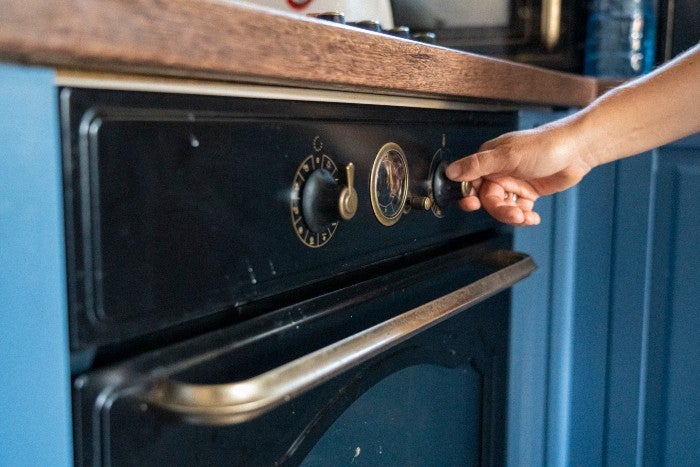
- Gas leaks: Vintage gas stoves and ovens may have worn seals or loose fittings. If you smell gas, stop using the appliance and evacuate your home. Schedule vintage appliance repair before using the stove or oven again.
- Outdated internal parts: Some vintage home appliances contain aging insulation, switches, or connectors that no longer perform safely. Professional inspections identify parts that need to be replaced.
- Overloaded circuits: Many older appliances draw more power than modern energy-efficient models. Plugging multiple high-powered vintage appliances into the same outlet may overload the circuit, causing the breaker to trip. To avoid this, spread appliances across different outlets and circuits.
Inspection Checklist Before Using a Vintage Appliance
Inspect vintage appliances upon installation and at least once a year after that. Each inspection should follow this checklist:
- Check the power cord for cracks, exposed wires, or discoloration.
- Inspect plugs and outlets for loose connections or scorch marks.
- Look for moisture damage to electrical components. Rust near switches, burners, or internal compartments deserves attention.
- Check gas fittings and connections for leaks or cracking.
- Make sure aftermarket parts fit properly and perform as intended.
- Check for loose handles, knobs, and hinges, which may affect operation or expose internal components.
- Listen for unusual sounds. Grinding, buzzing, or rattling noises may signal internal wear.
- Pay attention to burning odors. Unplug the appliance immediately if you notice unusual smells during operation.
- Test the temperature control of vintage ovens, refrigerators, and freezers with a thermometer to verify proper operation.
- Check for dust buildup on refrigerator coils. Vacuum regularly to improve heat transfer.
DIY Maintenance vs. Professional Restoration
Basic inspections and cleaning keep many vintage home appliances in good shape. Some homeowners also replace simple exterior parts, such as knobs or trays, to alter the appearance or improve functionality. DIY upkeep saves money and keeps your appliances looking good between service appointments.
Still, DIY work has its limits. Internal wiring, gas lines, and motors require proper training and specialized tools to repair and replace. Because many vintage appliances were built before modern electrical standards, even a small mistake could create safety hazards that aren’t immediately apparent.
Professional restoration gives older appliances a safer second life. Experienced technicians inspect wiring, identify hidden issues, replace worn parts, and test performance before returning them to regular use. Professional service also reduces the risk of breakdowns, overheating, and electrical issues going forward. In short, investing in proper restoration keeps vintage appliances operating safely and dependably for years to come.
Keep Your Vintage Appliances Running Smoothly
Vintage appliances deserve the same level of care as any major home investment. Regular inspections, safe operating habits, and professional maintenance set them up for a more reliable future. Ace’s Appliance Repair is the right contractor for the job. Our certified technicians stay current with training and the latest best practices to service nearly any appliance make, model, or year.
We also offer maintenance plans for homeowners who want ongoing protection. Members receive annual appliance cleaning and maintenance, preferred scheduling, half-price repairs, and other benefits. There’s no better time to secure your peace of mind and ensure years of trouble-free service than when installing “new” vintage kitchen appliances. Contact us today to schedule professional appliance maintenance or restoration in Keller, TX or the greater Tarrant County area.